EdX

Geology and Engineering Geology | 工程地质学 (edX)

Geology and Engineering Geology | 工程地质学 (edX)

Learn the basics of geology and geological engineering as we explore ways to both protect and properly utilize the earth’s resources today and in the future. The earth is our home. The development of human civilization as we know it goes hand in hand with how we have used and continue to reshape the planet. This course will introduce the basic knowledge of geology and methods of engineering geology to help people protect and utilize our earth more effectively.

Class Deals by MOOC List - Click here and see EdX's Active Discounts, Deals, and Promo Codes.

This geology course consists of two sections: basic geology and engineering geology. The basic geology section includes: formation and evolution of the earth, common rocks and minerals, internal and external dynamic geological process, geological ages, geological structures, geological maps and other basic knowledge of the earth’s geology. The engineering geology section includes engineering geological natures of groundwater, rock and soil, stability analysis of slope, surrounding rock of underground cavern and rock foundation, geological analysis of reservoir project and some field investigation methods and techniques etc.
Geology and Geological Engineering are two of the most important basic subjects that underpin engineering specialties, such as hydraulic engineering, geotechnical engineering and geological engineering. Engineering professionals will find this course particularly interesting and useful, but anyone with an interest in learning how to protect and continue to reshape our planet is welcome to enroll!

What you'll learn:

  • How the development of human civilization and geology are inextricable linked
  • How to protect the Earth, and also effectively utilize natural resources
  • The formation and evolution of the earth
  • An understanding of Geology Engineering, including natures of groundwater
  • Basic knowledge of the earth’s geology
  • Geological field investigation methods and techniques
Go to Class
MOOC List is learner-supported. When you buy through links on our site, we may earn an affiliate commission.

Related Courses

Global Warming I: The Science and Modeling of Climate Change (Coursera) Coursera
University of Chicago

Global Warming I: The Science and Modeling of Climate Change (Coursera)

This class describes the science of global warming and the forecast for humans’ impact on Earth’s climate. Intended for an audience without much scientific background but a healthy sense of curiosity, the class brings together insights and perspectives from physics, chemistry, biology, earth and atmospheric sciences, and even some economics—all based on a foundation of simple mathematics (algebra).

Jul 27th 2026
5-12 Weeks
Antarctica: From Geology to Human History (edX) EdX
Victoria University of Wellington,WellingtonX

Antarctica: From Geology to Human History (edX)

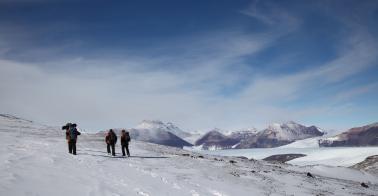
Take a virtual field trip to Antarctica, as we go on location to explore the geology and history of the coldest, driest, windiest continent on earth. Explore the continent of Antarctica and more than 500 million years of geological history and 250 years of geographical discovery and scientific endeavour. In this course, you will learn through lectures filmed on location on Ross Island and in the McMurdo Dry Valleys of Antarctica.

No sessions available
5-12 Weeks
Moons (FutureLearn) FutureLearn
The Open University

Moons (FutureLearn)

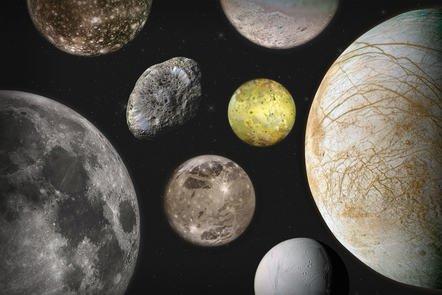
Explore the many moons of our Solar System. Find out what makes them special and ask whether we send humans to our Moon again. Discover the amazing diversity of moons in our Solar System. There are lots of moons in our Solar System. The Earth is the only planet with just a single moon. Some are bigger than ours. Many are much smaller. Some moons have ongoing volcanic eruptions. Others have rivers of liquid methane. A small handful may even be home to primitive life. This online course will allow you to explore the rich diversity of moons in our Solar System.

Self Paced
5-12 Weeks
Our Earth's Future (Coursera) Coursera
American Museum of Natural History

Our Earth's Future (Coursera)

Our Earth’s Future is about the science of climate change and how to talk about it. You will learn from scientists in the fields of climatology, oceanography, Earth science, and anthropology who study how climate change is affecting people, populations, and ways of life. Explore the multiple lines of evidence for the human-induced climate change that is happening today, and consider what that means for the future of our planet. At the end of this course you will be able to understand key scientific principles, identify and address misconceptions, and contribute confidently to conversations about climate change.

Aug 10th 2026
5-12 Weeks
The Dynamic Earth: A Course for Educators (Coursera) Coursera
American Museum of Natural History

The Dynamic Earth: A Course for Educators (Coursera)

The AMNH course The Dynamic Earth: A Course for Educators provides students with an overview of the origin and evolution of the Earth. Informed by the recently released Next Generation Science Standards, this course examines geological time scales, radiometric dating, and how scientists “read the rocks.” We will explore dramatic changes in the Earth over the last 4 billion years, including how the evolution of life on Earth has affected its atmosphere. In addition to looking at geology on a global scale, participants will take to their own backyards to explore and share their local geologic history.

Jul 27th 2026
4 Weeks
Oil & Gas Industry Operations and Markets (Coursera) Coursera
Duke University

Oil & Gas Industry Operations and Markets (Coursera)

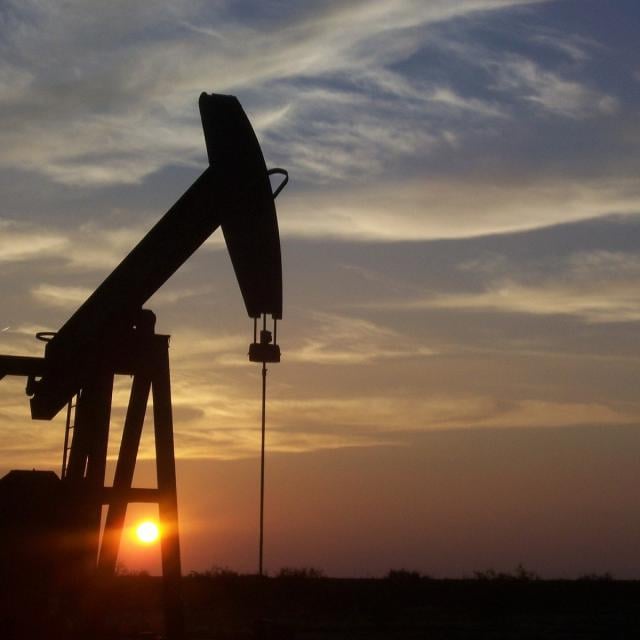
The oil and gas industry has an enormous impact on all aspects of daily life. Individuals, corporations, and national governments make financial and policy decisions based on the cost, use, and availability of these two natural resources. This two-week course looks at the two most fundamental aspects of the oil and gas industry, its operations and markets, each of which is addressed as a separate module in the course.

Aug 5th 2026
2 Weeks
The Worldview of Thomas Berry: The Flourishing of the Earth Community (Coursera) Coursera
Yale University

The Worldview of Thomas Berry: The Flourishing of the Earth Community (Coursera)

Thomas Berry (1914-2009) was a historian of world religions and an early voice awakening moral sensibilities to the environmental crisis. He is known for articulating a “new story” of the universe that explores the implications of the evolutionary sciences and cultural traditions for creating a flourishing future. This course investigates Berry’s life and thought in relation to the Journey of the Universe project.

Jul 20th 2026
5-12 Weeks
Journey of the Universe: The Unfolding of Life (Coursera) Coursera
Yale University

Journey of the Universe: The Unfolding of Life (Coursera)

Journey of the Universe weaves together the discoveries of the evolutionary sciences together with humanities such as history, philosophy, art, and religion. The course draws on the Emmy-award winning film, Journey of the Universe, and the book from Yale University Press. Journey explores cosmic evolution as a creative process based on connection, interdependence, and emergence. It examines a range of dynamic interactions in the unfolding of galaxies, Earth, life, and human communities. It investigates ways in which we understand evolutionary processes and the implications for humans and our ecological future.

Jul 20th 2026
5-12 Weeks