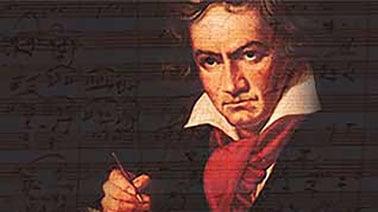
Learn about Beethoven’s monumental 9th Symphony and forms of orchestral music. Ludwig van Beethoven’s 9th Symphony premiered in Vienna in 1824, and continues to be one of the most popular symphonies in the repertoire. The monumental symphony’s size and complexity stretches traditional instrumental forms to the breaking point, and its famous choral finale changed our view of orchestral music forever.
Class Deals by MOOC List - Click here and see EdX's Active Discounts, Deals, and Promo Codes.
Harvard’s Thomas Forrest Kelly (Morton B. Knafel Professor of Music) guides learners through all four movements of Beethoven’s 9th Symphony, highlighting aspects of symphonic form, describing Beethoven’s composition process, the rehearsals and premiere performance, and the work’s continued relevance today.
You will learn the basics of musical form and analysis, the genres and styles used and the circumstances of this symphony’s first performance and subsequent history. Learners in this course need not have any prior musical experience.
Additional First Nights Modules:
- Monteverdi's L'Orfeo and the Birth of Opera
- Handel’s Messiah and Baroque Oratorio
- Beethoven's "Ninth Symphony"
- Berlioz’s Symphonie Fantastique and Program Music in the 19th Century
- Igor Stravinsky’s The Rite of Spring: Modernism, Ballet, and Riots
This course is part of the Classical Works XSeries.
What you'll learn
- Identify and describe the forms of 18th- and 19th- century orchestral music
- Understand the instruments and voices of the orchestra and choir
- Appreciate cultural context and performance circumstances of Beethoven’s 9th Symphony