Espaço Mundial: Perspectivas França-Brasil (Coursera)

Offered by Sciences Po,
Espaço Mundial: Perspectivas França-Brasil (Coursera)

Na perspectiva da França e do Brasil explicam como a globalização reconstitui as políticas públicas e os comportamentos sociais. Nós estudamos os intercâmbios e as interações entre os atores políticos, econômicos e sociais – públicos e privados, individuais e coletivos – e o modo pelo qual redesenham as relações internacionais. Este curso fundamenta-se nas abordagens da sociologia e da história das relações internacionais.

Class Deals by MOOC List - Click here and see Coursera's Active Discounts, Deals, and Promo Codes.

Syllabus

WEEK 1
Introdução (Bertrand Badie)
Nosso mundo globalizado necessita de uma nova abordagem do internacional, rompendo com as teorias clássicas.
Introdução (Carlos Milani)
O sentido político de analisarmos o mundo a partir do Sul, em geral, e do Brasil, em particular.
As Desigualdades (Bertrand Badie)
Os principais indicadores econômicos e sociais mostram um mundo desigual e instável.
As Desigualdades (Carlos Milani)
As desigualdades ocorrem dentro e entre os Estados e as sociedades, mas também na capacidade de ação dos demais atores e de construção de normas internacionais.
O Regionalismo (Bertrand Badie)
Novos tipos de integração, particularmente as construções regionais frágeis, colocam em xeque o território do Estado-nação
O Regionalismo (Carlos Milani)
União Europeia: modelo a ser seguido? Experiências originais de integração regional na América Latina.

WEEK 2
Os atores mundiais (Bertrand Badie)
Os Estados-nação não são mais os únicos atores internacionais. Inúmeros grupos e 7 bilhões de indivíduos são hoje atores potencias do sistema internacional.
Globalização (Bertrand Badie)
A globalização é um processo complexo que coloca em xeque os principais aspectos da ordem mundial.
Identidades (Bertrand Badie)
A identidade é uma noção que deve ser revista e considerada como uma construção social e política.

WEEK 3
Religiões (Bertrand Badie)
A religião é percebida como um parâmetro fundamental da ordem mundial contemporânea, mas esta visão é simplista.
O Estado-nação (Bertrand Badie)
O Estado-nação ainda seria funcional em todos as regiões do mundo?
O Estado na América Latina (Carlos Milani)
Por que a construção do Estado na América Latina é diferente do padrão europeu? Qual é, ainda hoje, a importância do território e da identidade nacional no contexto específico da América Latina?
Poder (Bertrand Badie)
O poder ainda faz ainda sentido e tem alguma eficácia?

WEEK 4
Guerra e Paz (Bertrand Badie)
A especificidade dos novos conflitos internacionais implica novos tratamentos.
Sistema Internacional (Bertrand Badie)
A polarização e o multilateralismo são as novas características do sistema internacional após 1945. A primeira encontra-se provavelmente ultrapassada e o segundo, contestado.
O multilateralismo visto do Sul (Carlos Milani)
A crise do multilateralismo reflete a sua pouca funcionalidade para os interesses das grandes potências, podendo conduzir à desconstitucionalização da ordem internacional.
Conclusão (Bertrand Badie)
Rumo a novas regulações?
Go to Class
MOOC List is learner-supported. When you buy through links on our site, we may earn an affiliate commission.

Related Courses

Cities are back in town : sociología urbana para un mundo globalizado (Coursera) Coursera
Sciences Po

Cities are back in town : sociología urbana para un mundo globalizado (Coursera)

Los procesos de globalización y europeización respaldan el rápido desarrollo de las ciudades en distintas partes del mundo. En el mundo contemporáneo, el proceso de urbanización está alcanzando un nuevo pico con el incremento de las megalópolis (más de 15 millones de habitantes) como Calcuta, Los Ángeles, Daca, El Cairo, Tokio, Nueva York, Shanghái, Ciudad de México. o Seúl. Más allá de las metrópolis modernas, los investigadores intentan entender estas grandes zonas urbanas con el uso de distintos conceptos, tales como "posmetrópolis", "ciudades globales" y "ciudades-regiones globales".

Sep 28th 2026
5-12 Weeks
America Through Foreign Eyes (Coursera) Coursera
Rice University

America Through Foreign Eyes (Coursera)

The United States has always been a source of fascination — both attraction and repulsion — for the people of France, Mexico, China, and African countries such as Nigeria, Ghana, and Sudan. "America Through Foreign Eyes" is a rich, interdisciplinary, international course that features Rice University faculty from a variety of disciplines and area studies. Focused on perceptions of America abroad, the course is a cross between World Cultures and American Studies. The course features five core modules, each covering the perceptions and interactions of particular regions with America, Americans and Americanization.

Sep 21st 2026
5-12 Weeks
Introducción al estudio de los bienes comunes (Coursera) Coursera
Universidad Nacional Autónoma de México

Introducción al estudio de los bienes comunes (Coursera)

El curso te introduce al estudio de los bienes comunes (como bosques, mecanismos de irrigación, tierras de pastoreo, pesquerías, recursos culturales o la información) y su gobernanza. El eje central del curso es la propuesta de la Teoría de la Acción Colectiva y de los Recursos Comunes, considerando sus elementos teóricos centrales y sus implicaciones metodológicas.

Oct 5th 2026
4 Weeks
Soul Beliefs: Causes and Consequences - Unit 1: Historical Foundations (Coursera) Coursera
Rutgers University

Soul Beliefs: Causes and Consequences - Unit 1: Historical Foundations (Coursera)

Throughout history, the vast majority of people around the globe have believed they have, however defined, a “soul.” While the question of whether the soul exists cannot be answered by science, what we can study are the causes and consequences of various beliefs about the soul and its prospects of surviving the death of the body. Why are soul and afterlife beliefs so common in human history? Are there adaptive advantages to assuming souls exist?

Sep 28th 2026
5-12 Weeks
The Emergence of the Modern Middle East - Part II (Coursera) Coursera
Tel Aviv University

The Emergence of the Modern Middle East - Part II (Coursera)

This course will discuss the developments in the Middle East from the early 20th century to the present. It will discuss the rise and retreat of Arab nationalism, the problems of internal cohesion of the Arab states, issues of religion and state, and the evolution of Islamist politics. It will also focus on the evolution of the Arab-Israeli conflict and its impact on the region and will conclude with an in depth analysis of the “Arab Spring” by placing these contemporary revolutionary events in their historical context.

Oct 5th 2026
5-12 Weeks
Linguistic Diversity, What for? (Coursera) Coursera
Universitat Autònoma de Barcelona

Linguistic Diversity, What for? (Coursera)

What is linguistic diversity? What are its implications and opportunities? How is diversity around the world? How is it experienced, understood and managed in different contexts? What is your knowledge and experience about languages and diversity? In this course we approach linguistic diversity and multilingualism not only from a theoretical point of view, but also from a perspective oriented to help understand and manage various contexts that emerge from diversity in different environments of social interaction.

Sep 28th 2026
5-12 Weeks
Constructores de Paz (Coursera) Coursera
Universidad de los Andes

Constructores de Paz (Coursera)

El curso Constructores Paz surgió como resultado de la preocupación de algunos profesores de la Universidad de los Andes por hacer un aporte al proceso de construcción de paz en nuestro país y en el mundo, a partir de prácticas personales y cotidianas. En este curso tendrás la oportunidad de reflexionar permanentemente acerca de ti mismo, de tus actitudes y de tus comportamientos, y de cómo tu manera de abordar diferentes situaciones de la vida diaria te llevan a construir paz.

Oct 5th 2026
5-12 Weeks
Power and Foreign Policy in International Relations (Coursera) Coursera
O.P. Jindal Global University

Power and Foreign Policy in International Relations (Coursera)

Welcome to the Power and Foreign Policy in International Relations course! This course acquaints you with how power matters in the conduct of international relations and how it affects the strategies and tactics of a nation-state in dealing with other nation-states. It demonstrates the link between a country’s ranking in the international system and the means and methods it adopts to deal with the rest of the world.

Sep 28th 2026
5-12 Weeks
Ethical Social Media (Coursera) Coursera
The University of Sydney

Ethical Social Media (Coursera)

Social media connects us across space and time, allowing us to find like-minded communities and participate creatively in public life as never before. We may often use social media without thinking much about the possible consequences. But there is a shadow side associated with social media use, which takes the form of hate speech, increased surveillance, lack of anonymity and questionable use of our data. What do we need to know to use social media spaces effectively, in a way that is safe and productive for all?

Oct 5th 2026
5-12 Weeks
Politics and Economics of International Energy (Coursera) Coursera
Sciences Po

Politics and Economics of International Energy (Coursera)

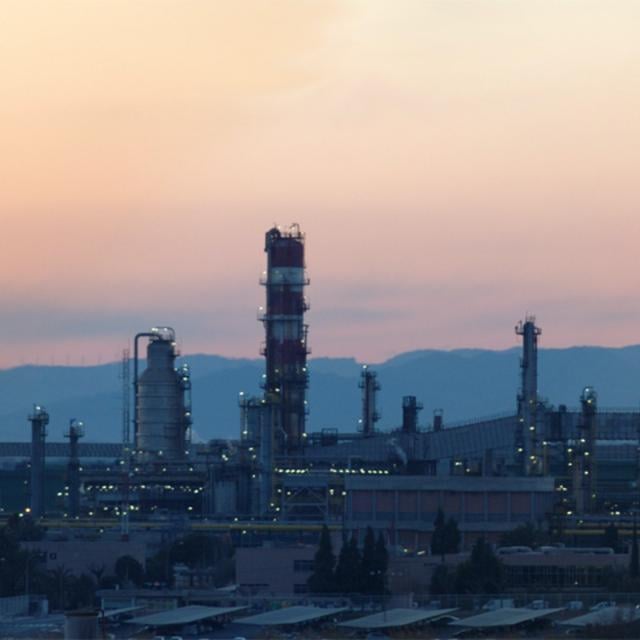
Energy issues have always been important in international relations, but in recent years may have become even more important than in the past due to the widespread awareness of existing limits to energy sources and negative climate impacts. The course discusses global trends in energy consumption and production, various available scenarios for potential developments in the coming decades, the availability of oil reserves and the evolution of the oil industry.

Oct 5th 2026
5-12 Weeks
Chemerinsky on Constitutional Law - Individual Rights and Liberties (Coursera) Coursera
University of California, Irvine

Chemerinsky on Constitutional Law - Individual Rights and Liberties (Coursera)

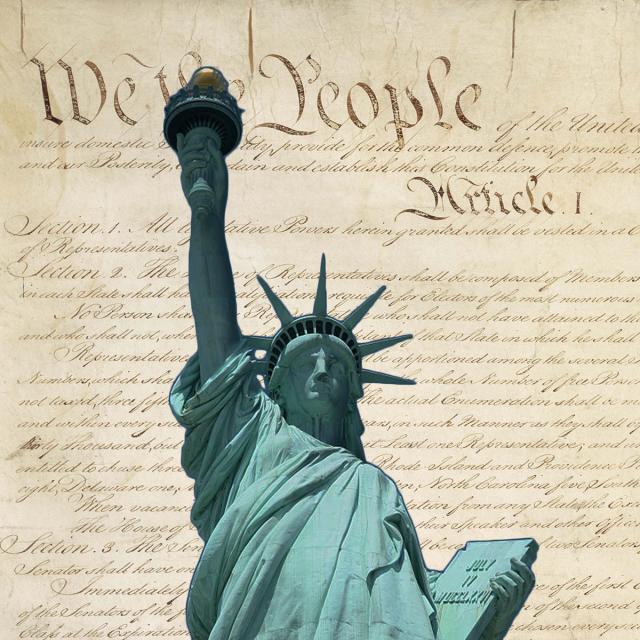
Chemerinsky on Constitutional Law: Individual Rights and Liberties will highlight the construction and interpretation of the U.S. Constitution through the centuries with an emphasis on protections of individual liberties and the evolution of equal protection. You'll learn the history behind the Constitution, cases that formed important precedent, and how changes in interpretation have been dependent on shifts in cultural and political climate as well as the composition of the Supreme Court.

Oct 5th 2026
5-12 Weeks