EdX

Educación Supranacional: Descubriendo la Agenda Educativa de los Organismos Internacionales (edX)

Educación Supranacional: Descubriendo la Agenda Educativa de los Organismos Internacionales (edX)

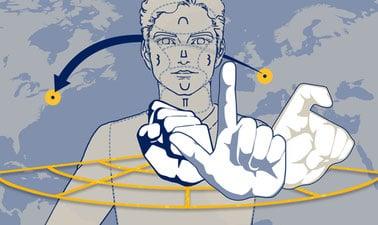
Análisis reflexivo y crítico de las políticas educativas de diferentes organismos internacionales y de su impacto ... Es imposible estudiar hoy los sistemas educativos contemporáneos sin adoptar su perspectiva supranacional. Las agendas educativas nacionales se ven influenciadas por las propuestas de los organismos internacionales (OI). Este curso ofrece una visión crítica de las acciones educativas principales OI y de cómo influyen en las reformas nacionales, para promover reflexión sobre la generación de corrientes educativas globales.

Class Deals by MOOC List - Click here and see EdX's Active Discounts, Deals, and Promo Codes.

Contestaremos a las siguientes preguntas:
¿Qué es la Educación Supranacional? ¿Existen realmente políticas educativas supranacionales?
La agenda educativa de la UE: ¿una formación armonizada para el nuevo ciudadano europeo?
Las acciones educativas de la OEI: ¿cooperación o recolonización educativa?
Las recomendaciones de la OCDE para la mejora de la educación: ¿se basan verdaderamente en evidencias?
La UNESCO y sus estrategias educativas globales: ¿retórica o realidad?

What you'll learn

  • Reflexión crítica sobre el proceso de internacionalización de la educación a nivel global y la aparición de la Educación Supranacional como nueva área del conocimiento para entender dicho proceso.
  • Describir y analizar críticamente los principales alineamientos en materia de educación de la Unión Europea, la UNESCO, la OCDE y la OEI.
  • Comparar las convergencias y divergencias de dichos alineamientos entre los diferentes Organismos Internacionales.
  • Abordar el impacto que tienen esos organismos internacionales y sus acciones en materia educativa sobre la agenda política de los países.
  • Reflexionar sobre el poder (¿soft, hard o smart?) de las políticas educativas supranacionales y su capacidad de crear corrientes educativas globales y procesos de armonización en materia de enseñanza.

Course Syllabus

Semana 1: ¿Qué es la Educación Supranacional? ¿Existen realmente políticas educativas supranacionales?
Trataremos algunas cuestiones de política educativa supranacional, y sentaremos las bases que nos servirán a lo largo de todo el curso.

Semana 2: Las acciones educativas de la OEI: ¿cooperación o re-colonización educativa?
La OEI es una organización que promueve la Educación y la Cultura en el ámbito Iberoamericano. Quizá hayan oído hablar del Programa Metas 2021, que trata de estimular una serie de reformas educativas en todos los países de ese ámbito para mejorar sus niveles educativos. En este módulo veremos cuáles son los objetivos concretos de este programa, reflexionaremos sobre las diferencias entre unos países y otros. También nos preguntaremos si es viable que todos alcancen esas metas.

Semana 3: La Agenda Educativa de la UE: ¿una formación armonizada para el “nuevo” ciudadano europeo?
El programa ERASMUS es tan sólo la punta del iceberg de una gran cantidad de programas que constituyen una política educativa consolidada desde hace décadas y que intenta favorecer en todos los países de la Unión Europea un verdadero espacio educativo compartido. No obstante, ¿se ha logrado ese objetivo? ¿Estamos realmente en una Europa con una educación armonizada? Sí es así, ¿en qué aspectos lo está?

Semana 4: Las recomendaciones de la OCDE para la mejora de la educación: ¿se basan verdaderamente en evidencias?
Seguro que te suena el programa PISA, por el impacto mediático que genera y las controversias que provoca. Desde hace casi dos décadas valora las competencias de los alumnos de 15 años en lectura, matemáticas y ciencias. Para muchos es una referencia comparativa que permite ver si un país mejora o retrocede en su nivel educativo. Pero ¿eso es así? ¿Qué mide PISA realmente? Y al margen de PISA, ¿qué más hace la OCDE en materia educativa?

Semana 5: La UNESCO y sus estrategias educativas globales: ¿retórica o realidad?
La UNESCO es una institución en el marco de las Naciones Unidas con una determinante política en favor de hacer real el derecho a la educación en todo el mundo. Desarrolla un trabajo importantísimo para fomentar la alfabetización global, con acciones clave para apoyar la educación de la mujer. Pero ¿esas acciones han tenido el efecto deseado o se han quedado en una MERA declaración de intenciones?

Go to Class
MOOC List is learner-supported. When you buy through links on our site, we may earn an affiliate commission.

Related Courses

Introduction to Data Wise: A Collaborative Process to Improve Learning & Teaching (edX) EdX
HarvardX,Harvard University

Introduction to Data Wise: A Collaborative Process to Improve Learning & Teaching (edX)

Learn what is involved in using data wisely to build a culture of collaborative inquiry. Educators have an ever-increasing stream of data at their fingertips, but knowing how to use this data to improve learning and teaching — how to make it less overwhelming, more useful, and part of an effective collaborative process — can be challenging.

Self Paced
Self-Paced
Early Childhood Development: Global Strategies for Implementation (edX) EdX
HarvardX,Harvard University

Early Childhood Development: Global Strategies for Implementation (edX)

Examine best practices in child and family policies, advocacy, financing, and pathways to scale—learning how to generate innovative, scalable intervention strategies that supports early childhood development. Together, Harvard University and UNICEF bring global experience from communities to policy makers, evidence and experts from around the world.

Self Paced
Self-Paced
STEM Outside (edX) EdX
The University of British Columbia

STEM Outside (edX)

Outdoor Education in STEM is an activity focused, self-paced course designed to help educators use the skills that can be learned from outside, in nature and in the community and transferred to other STEM fields. The course will provide teachers with an understanding of how to incorporate outdoor education topics into their existing STEM curriculum.

Self Paced
Self-Paced
Classroom Strategies for Inquiry-Based Learning (edX) EdX
University of Texas at Austin,UTAustinX

Classroom Strategies for Inquiry-Based Learning (edX)

Learn inquiry-based classroom practices to engage students in education through exploration. Inquiry-based learning aims to increase student engagement by helping learners develop hands-on, minds-on skills. This education and teacher training course explores the 5E instructional model and its uses in the classroom. You will have the opportunity to learn from videos of classroom teachers modeling a 5E lesson and access teacher commentary as they use inquiry-based strategies with their students. As a result, you will develop the skills and strategies needed to implement inquiry-based instruction in your own classroom.

Self Paced
Self-Paced
Teaching with Physical Computing: Introduction to Project-Based Learning (edX) EdX
Arm Education,ArmEducationX

Teaching with Physical Computing: Introduction to Project-Based Learning (edX)

This course introduces the fundamental concepts underpinning Project-Based Learning, and how you can apply it with programmable devices to bring STEM & Computing to life in the classroom. Arm’s first professional development course introduces you to the core elements of physical computing. This includes common Arm-based hardware platforms such as Arduino, Raspberry Pi and micro:bit, as well as the learning theories and concepts that underpin a Project-Based Learning pedagogy. The course helps you transform your approach to teaching Computer Science in the classroom, sharing best practice and practical guides to give all learners the opportunity to develop and practice a broad range of STEM skills.

Self Paced
Self-Paced
Teaching with Physical Computing: Practical application and classroom strategies for PBL (edX) EdX
Arm Education,ArmEducationX

Teaching with Physical Computing: Practical application and classroom strategies for PBL (edX)

This course guides you in using real-world problems to spark your learners’ creativity and empower them to develop their own solutions using Physical Computing. Brought to you by Arm, this course guides you through the practical application of Project-Based Learning (PBL) theory using a range of tools and techniques.

Self Paced
Self-Paced
Blended Learning Toolkit (edX) EdX
Columbia University,ColumbiaX

Blended Learning Toolkit (edX)

This course provides an overview of the history of digital education, as well as practical guides for implementing online tools in your classroom. It draws on the Leveling the Learning Curve book, exclusive interviews from EdTech industry leaders, and best practices taken from Columbia University and peer institutions.

Oct 16th 2023
4 Weeks
Deep Learning through Transformative Pedagogy (edX) EdX
University of Queensland,Microsoft,UQx

Deep Learning through Transformative Pedagogy (edX)

How can powerful teaching strategies and effective learning activities enhance deep learning? This education course has been developed for educators and education leaders. It explores deep learning by bringing together the most up-to-date research from cognitive psychology, contemporary educational theories, and neuro-scientific perspectives.

Self Paced
4 Weeks
Reconciliation Through Indigenous Education (edX) EdX
The University of British Columbia,UBCx

Reconciliation Through Indigenous Education (edX)

Advancing reconciliation in classrooms, organizations, and communities through the teaching and learning of Indigenous ways of knowing. This course will help you envision how Indigenous histories, perspectives, worldviews, and approaches to learning can be made part of the work we do in classrooms, organizations, communities, and our everyday experiences in ways that are thoughtful and respectful.

Jan 30th 2024
5-12 Weeks
Teaching Critical Thinking through Art with the National Gallery of Art (edX) EdX
Smithsonian,SmithsonianX

Teaching Critical Thinking through Art with the National Gallery of Art (edX)

Learn how to integrate works of art using Artful Thinking routines, effective strategies from Project Zero at Harvard University, in this online course for teachers of all levels and subjects. Based on the National Gallery of Art’s popular Art Around the Corner professional development program for teachers in Washington, D.C., this five-part online course provides everything you need to begin creating a culture of critical thinking and collaboration for any classroom, subject, or level.

Self Paced
Self-Paced