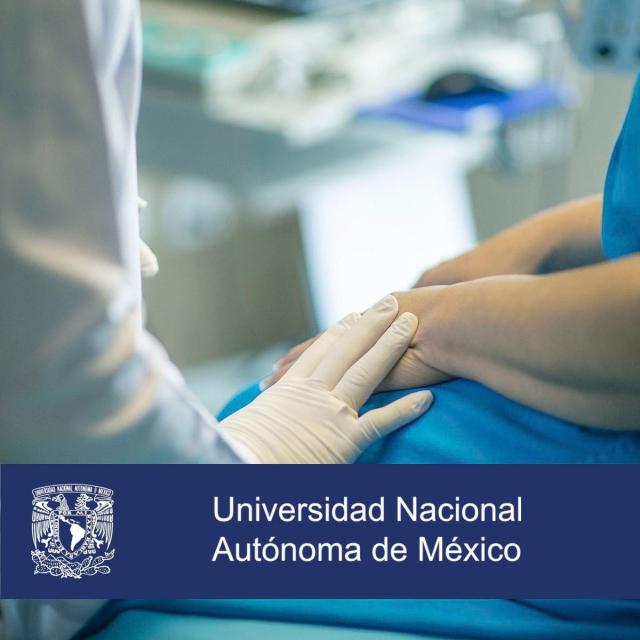
Diálisis peritoneal (Coursera)

Diálisis peritoneal (Coursera)

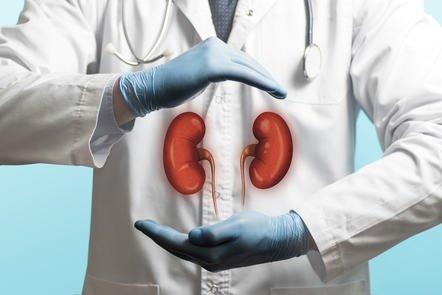
El programa de diálisis peritoneal incluye conocimientos teórico-prácticos de índole resolutivo para la enseñanza del autocuidado en paciente que se dializan en su domicilio.Se estructura a partir de las necesidades de formación que debe cubrir enfermería en las áreas de diálisis peritoneal.

Class Deals by MOOC List - Click here and see Coursera's Active Discounts, Deals, and Promo Codes.

Se consideran como elementos básicos en este curso; conocimiento de la función normal del riñón, Enfermedad Renal Crónica (ERC) en sus diferentes estadios, valoración del paciente para ingreso a
diálisis peritoneal, acceso peritoneal, cuidado del orificio de salida, medidas higiénicas, dietéticas,
manejo de complicaciones en domicilio y los diferentes sistemas de conectología manual.

Syllabus

WEEK 1
Bases de fisiología renal
En este módulo, se abordarán las principales funciones del riñón y su relevancia en la homeostasis del organismo. Para ellos es necesario conocer la fisiología renal, ya que facilita la comprensión de los procesos dialíticos como terapia de sustitución renal.

WEEK 2
Enfermedad renal crónica (ERC)
En este módulo, se abordará la enfermedad renal crónica terminal en sus diferentes estadios, así como sus elementos principales: factores de riesgo, marcadores de daño renal y decremento de la tasa de filtrado glomerular. Se hará énfasis en el retardo del daño renal y la conservación de la fusión renal residual, así como diferentes intervenciones de acuerdo con el estadio de la enfermedad renal.

WEEK 3
Bases y principios en diálisis peritoneal
En este módulo se abordarán las bases biofísicas que permiten realizar funciones como la depuración y eliminación de toxinas y exceso de agua del organismo. También se incluyen los elementos indispensables para realizar la diálisis, como las características y colocación del catéter peritoneal y los cuidados a llevar a cabo.

WEEK 4
Programa de capacitación para la enseñanza de la diálisis peritoneal
En este módulo, se abordará el programa de capacitación considerado como una competencia del personal de enfermería dentro del equipo de diálisis. Por ello, la enseñanza consiste en dar a conocer al paciente y su familiar los conceptos esenciales y poseer habilidades motoras. El inicio de esta terapia de sustitución renal es un punto crucial para el pronóstico de los pacientes con ERC en estadio 5, ya que la supervivencia del paciente depende en gran medida del estado de salud en que ingrese al programa.

WEEK 5
Sistemas de conectología
En este módulo, se abordarán dos de los sistemas de conectología más utilizados con el propósito de evidenciar las medidas de seguridad y conservación. Se enfatizará en las precauciones a seguir durante la desconexión, cebado, permanencia y conexión del sistema para lograr un procedimiento seguro para el paciente.

Go to Class
MOOC List is learner-supported. When you buy through links on our site, we may earn an affiliate commission.

Related Courses

HI-FIVE: Health Informatics For Innovation, Value & Enrichment (Clinical Perspective) (Coursera) Coursera
Columbia University

HI-FIVE: Health Informatics For Innovation, Value & Enrichment (Clinical Perspective) (Coursera)

HI-FIVE (Health Informatics For Innovation, Value & Enrichment) Training is a 12-hour online course designed by Columbia University in 2016, with sponsorship from the Office of the National Coordinator for Health Information Technology (ONC). The training is role-based and uses case scenarios. Also, it has additional, optional modules on other topics of interest or relevance. Although we suggest to complete the course within a month's timeframe, the course is self-paced and so you can start and finish the course at anytime during a month's time period. No additional hardware or software are required for this course.

Jun 8th 2026
4 Weeks
Understanding Cancer Metastasis (Coursera) Coursera
Johns Hopkins University

Understanding Cancer Metastasis (Coursera)

Over 500,000 people in the United States and over 8 million people worldwide are dying from cancer every year. As people live longer, the incidence of cancer is rising worldwide, and the disease is expected to strike over 20 million people annually by 2030. Everyone has been, or will be touched by cancer in some way during their lifetime. Thanks to years of dedication and commitment to research we’ve made enormous advances in the prevention and treatment of cancer, But there is still a lot of work to be done. In this course, physicians and scientists at the Johns Hopkins School of Medicine explain how cancer spreads or metastasizes.

Jun 8th 2026
3 Weeks
Introduction to Reproduction (Coursera) Coursera
Northwestern University

Introduction to Reproduction (Coursera)

Do you have questions about sex hormones or menstrual cycles? This is a crash-course in human reproductive health through fact and biology-based information on a variety of topics. "Sex 101" will cover reproductive anatomy, key biological changes during puberty, sexual biology and contraceptive methods, reproductive disorders, and a special introduction to the exciting field of Oncofertility. Specific lecture titles are as follows: 1) Reproductive Anatomy & Hormones, 2) Menstrual Cycle, Oocyte Maturation, & Sperm Activation, 3) Sexual Biology, Fertilization, & Contraception, and 4) Reproductive Health & Disorders.

Jun 8th 2026
4 Weeks
Introduction to the Biology of Cancer (Coursera) Coursera
Johns Hopkins University

Introduction to the Biology of Cancer (Coursera)

Over 500,000 people in the United States and over 8 million people worldwide are dying every year from cancer. As people live longer, the incidence of cancer is rising worldwide and the disease is expected to strike over 20 million people annually by 2030. This open course is designed for people who would like to develop an understanding of cancer and how it is prevented, diagnosed, and treated.

Jun 8th 2026
5-12 Weeks
Living with Dementia: Impact on Individuals, Caregivers, Communities and Societies (Coursera) Coursera
Johns Hopkins University

Living with Dementia: Impact on Individuals, Caregivers, Communities and Societies (Coursera)

Health professionals and students, family caregivers, friends of and affected individuals, and others interested in learning about dementia and quality care will benefit from completing the course. Led by Drs. Nancy Hodgson and Laura Gitlin, participants will acquire foundational knowledge in the care of persons with Alzheimer’s Disease and other neurocognitive disorders.

Jun 8th 2026
5-12 Weeks
Overcoming Dyslexia (Coursera) Coursera
Yale University

Overcoming Dyslexia (Coursera)

Dyslexia is everywhere, touching so many children and adults, and while science has made extraordinary progress in understanding and clarifying the condition, this incredible powerful knowledge rarely reaches those who most need to know and would greatly benefit from it. Our goal is to change all this with the Coursera you are about to view, produced by Dr. Sally Shaywitz, the Audrey G. Ratner Professor in Learning Development, both the leading scientist studying dyslexia and the most devoted advocate for helping those who are dyslexic.

Jun 13th 2026
5-12 Weeks
An Introduction to Global Health (Coursera) Coursera
University of Copenhagen

An Introduction to Global Health (Coursera)

This course will provide you with an overview of the most important health challenges facing the world today. You will gain insight into how challenges have changed over time, we will discuss the likely determinants of such changes and examine future projections. Successful international strategies and programs promoting human health will be highlighted and global health governance structures will be mapped and the role of the key actors explored.

Jun 8th 2026
5-12 Weeks
Bioinformatic Methods II (Coursera) Coursera
University of Toronto

Bioinformatic Methods II (Coursera)

Large-scale biology projects such as the sequencing of the human genome and gene expression surveys using RNA-seq, microarrays and other technologies have created a wealth of data for biologists. However, the challenge facing scientists is analyzing and even accessing these data to extract useful information pertaining to the system being studied. This course focuses on employing existing bioinformatic resources – mainly web-based programs and databases – to access the wealth of data to answer questions relevant to the average biologist, and is highly hands-on.

Jun 8th 2026
5-12 Weeks
Major Depression in the Population: A Public Health Approach (Coursera) Coursera
Johns Hopkins University

Major Depression in the Population: A Public Health Approach (Coursera)

Public Mental Health is the application of the principles of medicine and social science to prevent the occurrence of mental and behavioral disorders and to promote mental health of the population. This course illustrates the principles of public health applied to depressive disorder, including principles of epidemiology, transcultural psychiatry, health services research, and prevention. It is predicted that by 2020 depressive disorder will be the most important cause of disease burden in the entire world! Every human being suffers from feeling depressed at some point or other, but only about one fifth of the population will experience an episode of depressive disorder over the course of their lives.

Jun 8th 2026
5-12 Weeks