With this course, explore the 2021 World Development Report (WDR) and how data can be used for advancing development outcomes. Learn about the principles of a new social contract for data and data governance needed to transform lives for the poor.
Class Deals by MOOC List - Click here and see EdX's Active Discounts, Deals, and Promo Codes.
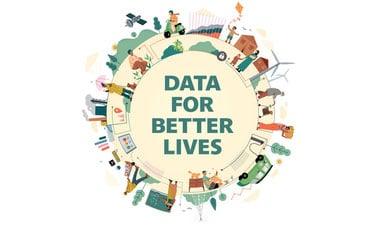
The data revolution is transforming the world; and yet much of the value of data remains untapped. This course, based on the World Development Report 2021: Data for Better Lives , explores the tremendous potential of the changing data landscape to improve the lives of poor people, while also acknowledging its potential to open back doors that can harm individuals, businesses, and societies.
To address this tension between the helpful and harmful potential of data, it details a new social contract that enables the use and reuse of data to create economic and social value, ensures equitable access to that value, and fosters trust that data will not be misused in harmful ways.
Based on the WDR 2021 report, the course provides an overview of the recommendations on where public and private sector investments are the most critical, defines a rich program for policy reform and technical assistance, and highlights areas where global initiatives and partnerships can help to convene and facilitate cooperation at regional, bilateral and international levels.
Therefore, it elaborates on the following:
- Conceptual framework through three pathways
- Potential of data from public sector, private sector and civil society organizations
- Creative reuses and data synergies
- Data governance in the area of infrastructure, laws and regulations, economic policies in the area of competition, trade and tax
- Policy recommendations using a maturity model approach
- Integrated national data system
The course is open to anyone who has an interest in the subject and participants will be able to choose their own learning paths.
What you'll learn
- How data can better advance development objectives
- Creating economic and social value from data
- Using data in the public and the private sector
- Creative reuses of data for greater value
- Data governance in the area of infrastructure, laws and regulations, and economic policies in the area of competition, trade and tax.
- Policy recommendations using a maturity model approach
- Creating an integrated national data system
Syllabus
Week 1: Module I — Advancing development objectives through data
Introduction to harnessing the value of data for better lives for the poor through the three pathways set out in a conceptual framework, economics and politics of data, and overview of a data governance framework to realize the development impact.
Week 2: Module II — Data in the public sector, the private sector, and civil society
Illustration of how data can be used as a force for public good, as a resource for the private sector, and to inform civil society and empower individuals, using several real-life examples.
Week 3: Module III — Creative reuses of data for greater value
Overview of how innovations in repurposing and combining public intent and private intent data are opening doors to development impacts previously unimaginable. Introduction to the potential and limitations of reuse, interoperability, and synergies of public intent and private intent data.
Week 4: Module IV — Aligning data governance with the new social contract
Introduction to critical data infrastructure policies to ensure equitable access for poor people in poor countries; and introduction to data policies, laws and regulations, using a safeguards and enablers framework, to create a trust environment to meet the needs of the rapidly evolving data economy.
Week 5: Module V — Creating value in the data economy: The role of competition, trade, and tax policy
Overview of how the expanding role of data in ubiquitous platform business models is reshaping competition, trade, and taxation in the real economy and posing pertinent risks for low- and middle-income countries. Introduction to the policy challenges and responses arising from competition, trade and taxation, and the linkages with the design of data regulations.
Week 6: Module VI — Moving toward an integrated national data system
Introduction to understanding how institutional ecosystems can help govern data through collective action, and furthermore, the steps for creating an aspirational integrated national data system, using a maturity model approach, and the tools for measuring performance of data systems.