Converter Circuits (Coursera)

Converter Circuits (Coursera)

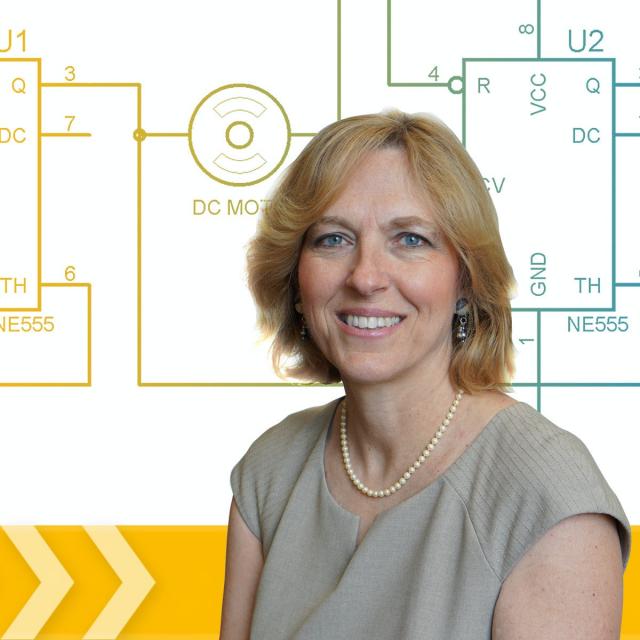
This course introduces more advanced concepts of switched-mode converter circuits. Realization of the power semiconductors in inverters or in converters having bidirectional power flow is explained. Power diodes, power MOSFETs, and IGBTs are explained, along with the origins of their switching times. Equivalent circuit models are refined to include the effects of switching loss. The discontinuous conduction mode is described and analyzed. A number of well-known converter circuit topologies are explored, including those with transformer isolation.

Class Deals by MOOC List - Click here and see Coursera's Active Discounts, Deals, and Promo Codes.

The homework assignments include a boost converter and an H-bridge inverter used in a grid-interfaced solar inverter system, as well as transformer-isolated forward and flyback converters.
After completing this course, you will:

  • Understand how to implement the power semiconductor devices in a switching converter
  • Understand the origins of the discontinuous conduction mode and be able to solve converters operating in DCM
  • Understand the basic dc-dc converter and dc-ac inverter circuits
  • Understand how to implement transformer isolation in a dc-dc converter, including the popular forward and flyback converter topologies.

Completion of the first course Introduction to Power Electronics is the assumed prerequisite for this course.
What You Will Learn

  • Understand how to implement the power semiconductor devices in a switching converter
  • Understand the origins of the discontinuous conduction mode and be able to solve converters operating in DCM
  • Understand the basic dc-dc converter and dc-ac inverter circuits
  • Understand how to implement transformer isolation in a dc-dc converter, including the popular forward and flyback converter topologies

Course 2 of 4 in the Power Electronics Specialization.

Syllabus

WEEK 1
Ch 4.1: Switch Realization
How to implement the switches using transistors and diodes, including applications having bidirectional power flow or ac outputs.

WEEK 2
Ch 4.2: Power Semiconductor Switches
Basics of power semiconductor switches, including the origins of switching times and switching loss. How to incorporate switching loss into equivalent circuit models. MOSFETs, IGBTs, and gate driver considerations.

WEEK 3
Ch 5: Discontinuous Conduction Mode
The discontinuous conduction mode (DCM) arising from unidirectional switch realization. Analysis of mode boundaries and output voltage.

WEEK 4
Ch 6: Converter Circuits
Some well-known converter circuits and their origins. How to incorporate transformer isolation into a dc-dc converter. Analysis and equivalent circuit modeling of transformer-isolated converters.

Go to Class
MOOC List is learner-supported. When you buy through links on our site, we may earn an affiliate commission.

Related Courses

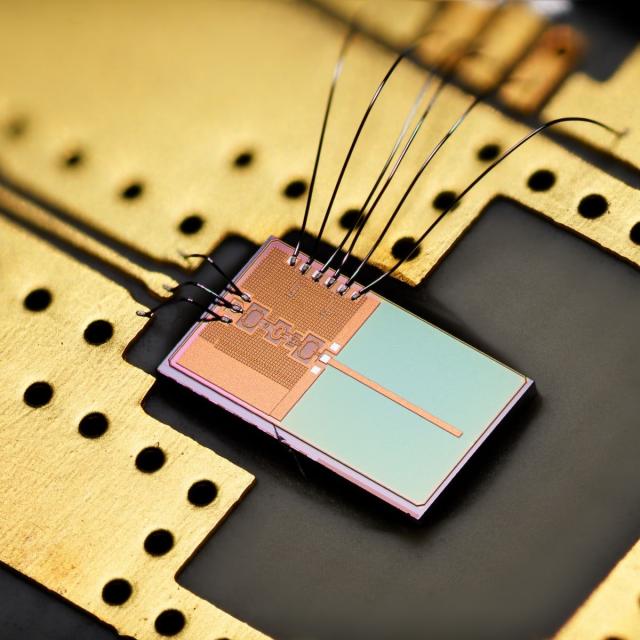
Cómo entrenar a tus electrones 2: Diodos y Transistores (Coursera) Coursera
Pontificia Universidad Católica de Chile

Cómo entrenar a tus electrones 2: Diodos y Transistores (Coursera)

La electrónica ha respaldado el desarrollo científico y tecnológico de la humanidad, ostentando un rol clave en los últimos 50 años. Nos admiramos de la capacidad del ser humano de diseñar circuitos integrados que contienen millones de transistores y que nos permiten procesar con gran precisión las señales más débiles provenientes de las antenas de telefonía celular, de las neuronas del cerebro, de una cámara digital, o de la carga depositada por partículas subatómicas que colisionan en el Gran Colisionador de Hadrones en Suiza.

Jun 29th 2026
4 Weeks
Introduction to Power Electronics (Coursera) Coursera
University of Colorado Boulder

Introduction to Power Electronics (Coursera)

This course introduces the basic concepts of switched-mode converter circuits for controlling and converting electrical power with high efficiency. Principles of converter circuit analysis are introduced, and are developed for finding the steady state voltages, current, and efficiency of power converters. Assignments include simulation of a dc-dc converter, analysis of an inverting dc-dc converter, and modeling and efficiency analysis of an electric vehicle system and of a USB power regulator.

Jun 29th 2026
3 Weeks
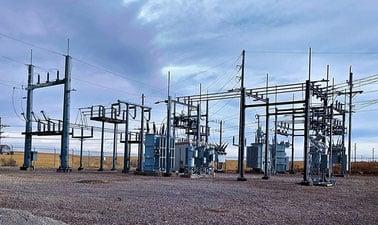
Principles of Modeling, Simulations, and Control for Electric Energy Systems (edX) EdX
MIT,MITx

Principles of Modeling, Simulations, and Control for Electric Energy Systems (edX)

Apply a dynamic systems-level approach and engage emerging research on efficient, sustainable, and physically and economically feasible electric power systems of the future. As global energy demand grows, to mitigate climate change we must drive a swift transition to clean energy resources and enhanced electric power grid infrastructure. In this course, you will explore systemic principles of future electric power system management, such as the role of smart grids, data-enabled machine learning, power electronics-control, and data-driven decision-making.

No session available
5-12 Weeks
AC and Switching Circuits (edX) EdX
National University of Singapore,NUS

AC and Switching Circuits (edX)

In this course, you will learn all about circuits with alternating current (AC). The course shows how to design and analyse AC circuits, and concepts like phasors and power factor are explained. We also cover transformers, fuses, relays, and the use of transistors as switches. The course is the second in our series on electronics and a working knowledge of DC circuits is assumed.

Self Paced
Self-Paced
Organic Solar Cells - Theory and Practice (Coursera) Coursera
Technical University of Denmark - DTU

Organic Solar Cells - Theory and Practice (Coursera)

The goal of the course is to give students awareness of the largest alternative form of energy and how organic / polymer solar cells can harvest this energy. The course provides an insight into the theory behind organic solar cells and describes the three main research areas within the field i.e. materials, stability and processing.

Jun 29th 2026
5-12 Weeks
Powering the Drive: Unveiling EV Electronics (Coursera) Coursera
Coursera Instructor Network

Powering the Drive: Unveiling EV Electronics (Coursera)

In the rapidly advancing world of electric vehicles (EVs), understanding the application of power electronics is essential for both professionals and enthusiasts. Welcome to our comprehensive video course on the "Electric Vehicle Power Electronics " This course explores the pivotal role and significance of power electronics in the EV ecosystem. As EVs become a prominent part of the transportation landscape, understanding the intricacies of power electronics is crucial. This course equips you with the knowledge and skills to comprehend, utilize, and optimize power electronics for efficient and sustainable electric vehicle operation.

Jun 29th 2026
1 Week
Introduction to Engineering Mechanics (Coursera) Coursera
Georgia Institute of Technology

Introduction to Engineering Mechanics (Coursera)

This course is an introduction to learning and applying the principles required to solve engineering mechanics problems. Concepts will be applied in this course from previous courses you have taken in basic math and physics. The course addresses the modeling and analysis of static equilibrium problems with an emphasis on real world engineering applications and problem solving.

Jun 29th 2026
5-12 Weeks
AP® Physics 1 - Part 4: Exam Prep (edX) EdX
Rice University,RiceX

AP® Physics 1 - Part 4: Exam Prep (edX)

The fourth of four courses in a dynamic, comprehensive series that provides a solid base in introductory physics and helps prepare you for the AP Physics 1 Exam. Free textbook included! In this four-part series, we will explore AP Physics 1 concepts and prepare for the AP Physics 1 Exam in an exciting and entirely new way. Increase your skills – and your readiness – for the AP Exam though quality videos, inquiry labs, Hollywood-style Concept Trailers™, Direct Measurement Videos, AP problem-solving sessions and more!

No sessions available
4 Weeks