Animals and Institutions (Coursera)

Animals and Institutions (Coursera)

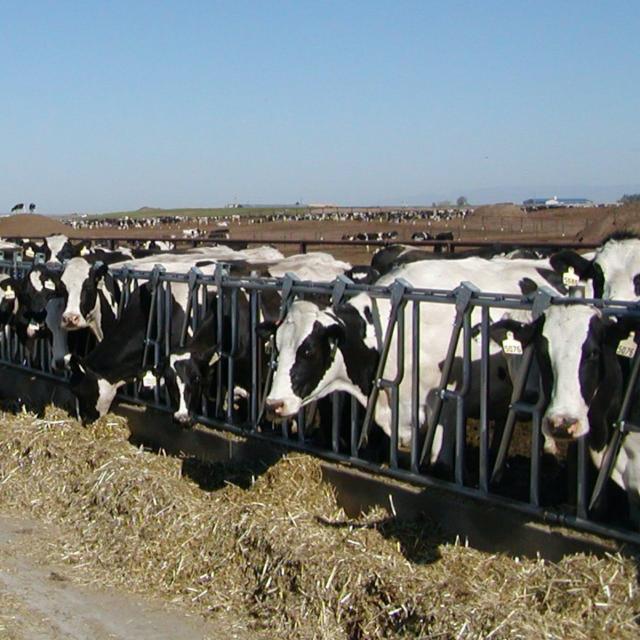
This course explores animals within the context of the functional relationships that sociologists call “institutions.” We first examine the use of animals in laboratory science. We then examine the controversial transformation of animals into “livestock” and "meat." We also explore the perspectives of people committed to rejecting the construction and use of animals as food.

Class Deals by MOOC List - Click here and see Coursera's Active Discounts, Deals, and Promo Codes.

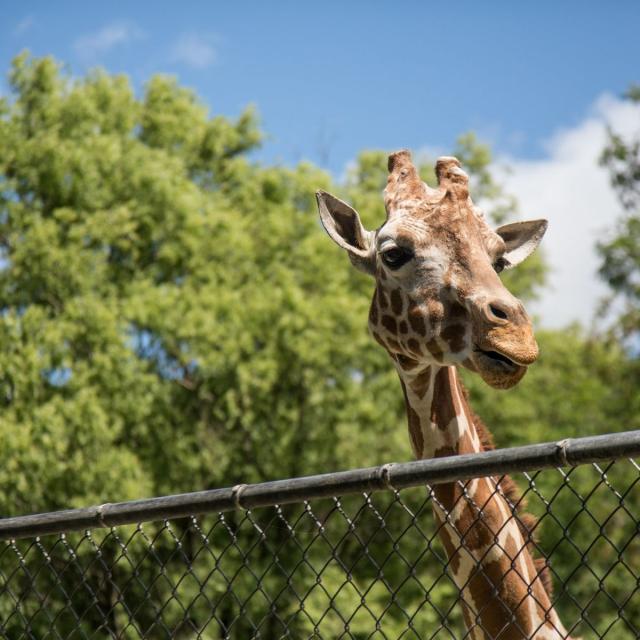
Next, we focus on some of the roles of animals in human entertainment with particular attention to dog fighting and zoos. Finally, we investigate animal health and welfare through the lens of dilemmas in veterinary medicine and decisions in animal shelters.
What You Will Learn

  • Describe the status of animals used in research.
  • Identify the trends that led to modern industrial livestock production in the United States.
  • Determine the most appropriate roles of zoos in modern societies.
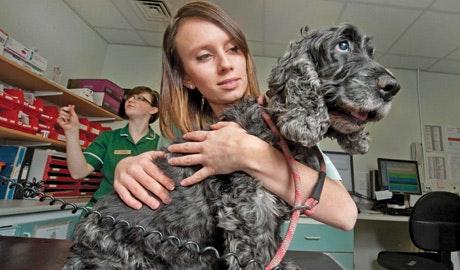
  • Identify dilemmas faced by veterinarians and animal shelter workers.

Course 2 of 3 in the Animals and Society Specialization.

Syllabus

WEEK 1
Science
In this module, you will gain familiarity with the issues that shape the use of animals in scientific research and underlie the controversy surrounding it.

WEEK 2
Agriculture
In this module, you will learn about the system through which animals are transformed into “livestock.”

WEEK 3
Sport, Entertainment, and Education
In this module, you will investigate how animals are central to how humans spend their leisure time.

WEEK 4
Health and Welfare
In this module, you will examine the social worlds of veterinary medicine and animal sheltering.

Go to Class
MOOC List is learner-supported. When you buy through links on our site, we may earn an affiliate commission.

Related Courses

The Horse Course: Introduction to Basic Care and Management (Coursera) Coursera
University of Florida

The Horse Course: Introduction to Basic Care and Management (Coursera)

There are over 100 million horses, donkeys and mules in the world today and owners of these animals can be found on almost every continent and in almost every society. The Horse Course will cover many unique aspects of equine ownership and touch upon the science behind many of today’s management practices.

Aug 3rd 2026
5-12 Weeks
The Changing Status and Perception of Animals (Coursera) Coursera
University of Colorado Boulder

The Changing Status and Perception of Animals (Coursera)

In this course, we explore how mainstream understandings of animals and human-animal relationships have changed in recent years. Module 1 focuses on the roles of animals in human physical health and psychological well being. Module 2 explores animal selfhood, particularly in light of their inability to use spoken language. Finally, Module 3 examines some of the collective efforts undertaken when the treatment or use of animals comes to be seen as inhumane, immoral, and worthy of ameliorative social action.

Jul 27th 2026
3 Weeks
Poultry Health (FutureLearn) FutureLearn
The University of Nottingham,British Hen Welfare Trust

Poultry Health (FutureLearn)

Get technically and scientifically accurate information on how to care for non-commercial poultry. Identify the clinical features of diseased birds and when they need treatment. On this veterinary course, you’ll get expert advice on how to recognise when poultry are unwell, and the options available to you for treatment.

May 16th 2022
5-12 Weeks
One Health: Connecting Humans, Animals and the Environment (FutureLearn) FutureLearn
University of Basel

One Health: Connecting Humans, Animals and the Environment (FutureLearn)

BBecome familiar with One Health, a promising concept, and the effective solutions it provides for urgent health problems. Expand how you address health issues, learning from top One Health experts. In today’s globalised world, old diseases persist and new illnesses spread faster than ever thanks to interconnected ecosystems and the close ties between humans and animals.

Oct 9th 2023
5-12 Weeks
Religious Symbols of the World (edX) EdX
Seoul National University,SNUx

Religious Symbols of the World (edX)

This course is the third and final course in the series following “Understanding Religious Symbolism” and “Myths, Rituals, and Cosmos.” Through the theories and patterns that you learned in these three courses, I hope that you will be able to interpret the various religious phenomena in different cultures, and through this gain a better understanding of culture and human beings.

Self Paced
Self-Paced
Animal Advocacy Introductory Course (Animal Advocacy Careers) Other Providers
Animal Advocacy Careers

Animal Advocacy Introductory Course (Animal Advocacy Careers)

This online course will walk you through some of the key considerations involved in working to help animals and will help you plan your next steps. it will provide you with the knowledge that you need to start working out which career path will enable you to maximise your positive impact for animals. You will be supported to use this knowledge in creating a career plan and working out which actions you should take next.

Nov 15th 2021
13-24 Weeks
Introduction to Horses (BHI) Box Hill Institute
Box Hill Institute

Introduction to Horses (BHI)

This course is an introduction to horses, demonstrating basic tasks that you would carry out on a daily basis with a horse. This course can help you to form your decision to enter the wonderful world of horses.

Self Paced
1 Week
Discover Best Practice Farming for a Sustainable 2050 (Coursera) Coursera
University of Western Australia

Discover Best Practice Farming for a Sustainable 2050 (Coursera)

The Discover Best Practice Farming for a Sustainable 2050 Course is based on a clear vision: imagine best practice farming for 2050, start to implement these strategies now, all the while making sure it will still be profitable. At UWA we're doing just that with the Future Farm 2050 Project, set on a mixed-enterprise farm in Western Australia and we want you to learn how it can be done in your part of the world.

Aug 10th 2026
5-12 Weeks
Unión Europea: Historia, Instituciones y Políticas (Coursera) Coursera
Universitat Autònoma de Barcelona

Unión Europea: Historia, Instituciones y Políticas (Coursera)

La Unión Europea (UE) representa una de las experiencias más avanzadas en materia de integración económica y unión política a escala global. Desde su surgimiento en los años 50 del siglo XX hasta la explosión de la actual pandemia provocada por el COVID-19, la UE no ha cesado de ampliar su radio de acción llegando a difuminar, en muchas áreas, la tradicional distinción entre asuntos internos y externos de los Estados nacionales.

Jul 27th 2026
5-12 Weeks
Sustainable Food Production Through Livestock Health Management (Coursera) Coursera
University of Illinois at Urbana-Champaign

Sustainable Food Production Through Livestock Health Management (Coursera)

Learn about the impact of infectious disease on sustainable animal-based food production by understanding the science of growth, immunity, and infection and by learning the problem-solving skills needed to advance animal health and food production through optimal management practices. In this course we will explore the effect of infectious disease on sustainable animal-based food production. The content and learning outcomes of this new course will be designed to be relevant across different food production sectors (i.e., beef, dairy, poultry, and pigs).

Aug 10th 2026
5-12 Weeks
Global Health at the Human-Animal-Ecosystem Interface (Coursera) Coursera
University of Geneva

Global Health at the Human-Animal-Ecosystem Interface (Coursera)

The University of Geneva, Institute Pasteur, University of Montreal and Centre Virchow-Villermé/University Paris Descartes welcome you to this new MOOC on "Global Health at the Human-Animal-Ecosystem Interface"! Over the next 5 weeks, you will explore and learn about some of the major and current Global Health Challenges at the Human-Animal-Ecosystem Interface: zoonotic emerging infections (e.g. Ebola, Nipah, MERS, Avian Influenza), antimicrobial resistance, neglected tropical diseases (e.g. rabies, leishmaniasis, zoonotic TB), snakebite and other human-animal conflicts etc.

Jul 27th 2026
5-12 Weeks