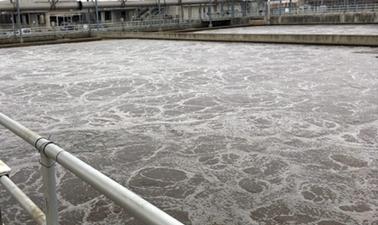
This course introduces nutrient removal principles used in biological wastewater treatment plants. Nutrients, especially nitrogen and phosphorus, are essential for all living organisms. However, excess amounts of nutrients in wastewater often result in eutrophication that may deplete oxygen, promote harmful algal bloom, and even create dead zone for aquatic organisms.
Class Deals by MOOC List - Click here and see EdX's Active Discounts, Deals, and Promo Codes.
Therefore, nitrogen and phosphorus in wastewater should be adequately treated before discharge. Additionally, there are growing interests to recover nutrients and energy from wastewater to reduce treatment costs and improve the sustainability of wastewater treatment systems.
This course introduces the fundamental knowledge and practice of biological nutrient removal in wastewater treatment and prepares students for designing biological nutrient removal systems. At the end of the course, students are expected to understand general principles of biological nitrogen removal and biological phosphorus removal, apply the knowledge to select the best unit process to remove nutrients, apply the knowledge to select the best unit process to recovery resources, and analyze and evaluate biofuel systems.
This course is part of the Water and Wastewater Treatment MicroMasters program.
What you'll learn
- nitrogen removal
- phosphorus removal
- resource recovery
- anaerobic digestion
- biofuel
Syllabus
Week 1:
- Nitrification
- Denitrification
- Anaerobic Ammonia Oxidation
Week 2:
- Phosphorus Removal
- Enhanced Biological Phosphorus Removal Principle
- Enhanced Biological Phosphorus Removal Processes
Week 3:
- Nutrient Recovery
- Metal Recovery
- Bioelectrochemical Systems
Week 4:
- Anaerobic Digestion
- Process Description and Microbiology
- Impact Factors of Anaerobic Digestion
Week 5:
- Biofuel
- Bioethanol
- Biodiesel
- Innovative Biofuel Techniques