Learn about how to record, visualize, and analyze human body motion. Learn about how to record, visualize, and analyze human body motion. This online course from the University of Oslo is for everyone interested in human motion capture.
Class Deals by MOOC List - Click here and see FutureLearn's Active Discounts, Deals, and Promo Codes.
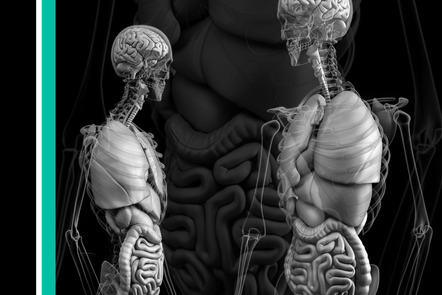
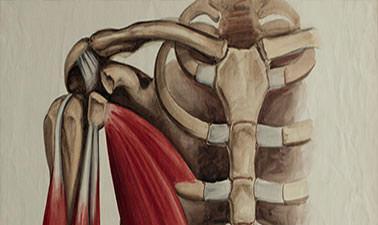
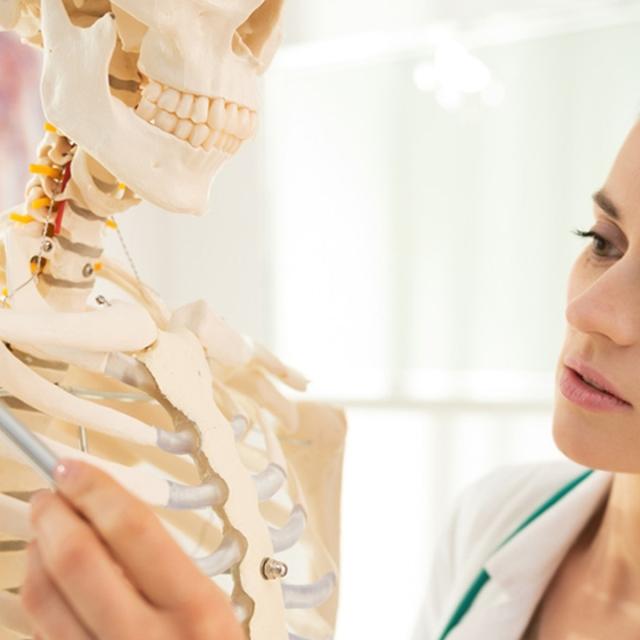
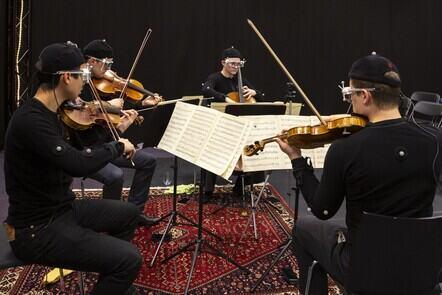
You’ll start by learning the basics of human anatomy and biomechanics. Then we’ll move on to setting up, calibrating and recording with an infrared optical motion capture system. Some other sensing technologies will also be presented, including accelerometers, muscle sensors, and video recordings. Examples will be given of how such systems are used in various types of music research. Finally, you’ll learn about some of the ethical and legal challenges of working with human motion capture.
Syllabus
Week 1: Welcome to the course
Week 2: Anatomy and biomechanics
Week 3: Infrared motion capture
Week 4: Additional sensing
Week 5: Use cases
Week 6: Project planning
Learning on this course
You can take this self-guided course and learn at your own pace. On every step of the course you can meet other learners, share your ideas and join in with active discussions in the comments.
What will you achieve?
By the end of the course, you‘ll be able to...
Describe the musculoskeletal system and biomechanics of the human body
Reflect on the usage of various motion capture systems for different applications
Describe the setup of an infrared marker-based motion capture system
Identify challenges working with different types of motion capture systems
Explain some ethical issues related to motion capture of human participants
Who is the course for?
This online course from the University of Oslo is for everyone interested in human motion capture.
What software or tools do you need?
The course describes several advanced motion capture systems. You can complete the course without any specialized equipment but will need access to a motion capture lab to get hands-on experience with the presented technologies.