Letteratura latina 2 - L’idea dell’Altro in età imperiale (Federica Web Learning)

Letteratura latina 2 - L’idea dell’Altro in età imperiale (Federica Web Learning)

Nella letteratura latina affiorano costantemente l'idea della identità romana, il rapporto con il diverso, il relazionarsi con popoli altri da sé: basti pensare a Terenzio che nasce in Africa o a Cecilio Stazio, commediografo di origine gallica solo per citarne alcuni. Il problema si accentua in età tardoantica, quel periodo che si fa partire dal III sec. d. C. e che alcuni addirittura anticipano alla fine del II.

è questo un momento in cui si costituisce uno speciale rapporto con il passato il cui riuso costituisce un codice per comprendere la realtà della crisi che avanza, L'uso del passato rinforza le diverse identità regionali e crea un senso di appartenenza ad una comune Romanitas; per capire come questa 'doppia' identità funzioni è necessario leggere con attenzione gli scrittori latini tardi, studiare come essi si relazionino con i grandi auctores, come l’altro, il diverso, il barbaro vengano disegnati nelle loro pagine.
Evitando naturalmente anacronismi riflettendo attraverso le pagine della letteratura dell’epoca, espressione di una società multiculturale e inclusiva quale quella romana, possiamo trarre suggestioni interessanti circa i concetti di Alterità e Convivenza quali si formano nell'immaginario dell'uomo occidentale.
Trattando del concetto del 'diverso' considereremo anche altri tipi di diversità quali la magia, la 'diversità' cristiana rispetto al paganesimo ma anche la 'diversità' pagana rispetto al cristianesimo.

Go to Class
MOOC List is learner-supported. When you buy through links on our site, we may earn an affiliate commission.

Related Courses

Shakespeare: Print and Performance (FutureLearn) FutureLearn
King's College London

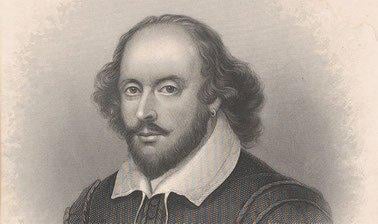
Shakespeare: Print and Performance (FutureLearn)

As part of Shakespeare400, learn about Shakespeare in print and performance around the world, from early modern times to today. Why do we continue to read and perform Shakespeare’s works around the world today? How were his plays performed and printed 400 years ago, and how has our conception of Shakespeare changed over the centuries?

Self Paced
4 Weeks
The Spain of Don Quixote (edX) EdX
Universidad Autonoma de Madrid

The Spain of Don Quixote (edX)

An exploration of Spain depicted in Cervante’s historic novel, Don Quixote – a Golden Age in which Spanish arts and literature reached worldwide excellence. This MOOC focuses on Spanish history between the Renaissance and Baroque periods—a time when the Spanish culture set the tone in the Western world.

Self Paced
Self-Paced
Perspectives from the Stage: Actors Discuss Romeo and Juliet (Coursera) Coursera
University of Colorado Boulder

Perspectives from the Stage: Actors Discuss Romeo and Juliet (Coursera)

This course is meant for anyone who is reading Romeo & Juliet and would like to hear the perspectives of professional actors who have performed in the play. This course primarily consists of interviews with 14 professional actors who have performed in at least one production of Romeo & Juliet somewhere in the US, at theaters and Shakespeare festivals including the American Shakespeare Center, American Players Theatre, and the Arkansas, Colorado, Illinois, New Jersey, and Utah Shakespeare Festivals.

Jun 22nd 2026
5-12 Weeks
Shakespeare’s Othello: The Moor (edX) EdX
HarvardX,Harvard University

Shakespeare’s Othello: The Moor (edX)

Explore acts of storytelling in Shakespeare's Othello alongside world-class artists who interpret Othello's story in new forms and contexts today. In this course, we'll read William Shakespeare’s Othello and discuss the play from a variety of perspectives. The goal of the course is not to cover everything that has been written on Othello.

Self Paced
Self-Paced
Humphry Davy: Laughing Gas, Literature, and the Lamp (FutureLearn) FutureLearn
Lancaster University,Royal Institution - RI

Humphry Davy: Laughing Gas, Literature, and the Lamp (FutureLearn)

Discover Humphry Davy and his contribution to science and the arts. Before culture was divided into the sciences and the arts there was a chemist who was also a poet. Sir Humphry Davy (1778-1829) is one of the best known men of science of the nineteenth century: he was the first person to inhale nitrous oxide; he isolated nine chemical elements; and he invented the miners’ safety lamp known as the Davy lamp. This course will consider Davy’s life and career using manuscript sources held at the Royal Institution of Great Britain.

Oct 9th 2023
4 Weeks
Dante tra poesia e scienza (Federica Web Learning) Federica Web Learning
University of Naples Federico II

Dante tra poesia e scienza (Federica Web Learning)

La Commedia di Dante, una delle opere più importanti della letteratura di tutti i tempi, è endiadi di poesia e scienza. Certamente la cultura scientifica di Dante è vasta per i suoi tempi; essa è talmente fusa nel discorso poetico che non disturba l’orecchio e la mente del lettore; essa non è espressione di mera conoscenza, ma rientra sempre nel concetto del poeta di leggere unitariamente il mondo e le sue espressioni; e di sicuro essa è la manifestazione più alta della scienza del Medioevo, frutto di non poche letture di una cultura scientifica non solo europea, ma anche araba, conosciuta attraverso le traduzioni latine delle opere o dalla frequentazione, come appare dalle ultime ipotesi di ricerche, di musulmani residenti in paesi dell’Italia settentrionale.

Mar 6th 2017
5-12 Weeks
Latino: forme e circolazione nella pars Orientis dell’Impero (Federica Web Learning) Federica Web Learning
University of Naples Federico II

Latino: forme e circolazione nella pars Orientis dell’Impero (Federica Web Learning)

Se per l’Occidente mancano testimonianze che non siano quelle indirette di trattazioni specifiche come l’Institutio oratoria di Quintiliano, l’Oriente ha restituito una serie di testimoni diretti delle forme dell’insegnamento del latino,tra I a.C. e VI d.C.: favorita fondamentalmente dall’occupazione militare e dai bisogni dell’amministrazione per tutta la prima età imperiale, nelle province eccentriche dell’Impero, la circolazione del latino venne ulteriormente incentivata da una politica che lo identificava con la lingua dell’amministrazione (e del diritto) a partire dal III secolo. Continuo, infatti, è il contatto dei latinofoni con allofoni che, spesso, si misero alla prova con l’apprendimento della lingua di Roma.

Apr 12th 2017
5-12 Weeks
Ancient Masterpieces of World Literature (edX) EdX
HarvardX,Harvard University

Ancient Masterpieces of World Literature (edX)

Examine how cultures of the ancient world defined themselves through literature and how their vision of literature contributes to our understanding of civilization, culture, and literature today. This short literature course, based on the first half of the Masterpieces of World Literature edX MOOC, examines how civilizations and cultures of the ancient world defined themselves through literature and how that literature has continued to contribute to our understanding of those civilizations and cultures today.

Self Paced
Self-Paced
Invitation to The Tale of Genji: The Foundational Elements of Japanese Culture (edX) EdX
Waseda University,WasedaX

Invitation to The Tale of Genji: The Foundational Elements of Japanese Culture (edX)

Explore the world's oldest novel written in the eleventh century and develop the perspective to understand Japanese classical literature and the foundation of Japanese culture. The Tale of Genji (Genji Monogatari) is a long-form narrative composed in Japan at the beginning of the eleventh century. It depicts relationships both harmonious and discordant among a wide cast of the men and women of the Heian court. These revolve around the many love affairs of the main character, the Shining Genji (Hikaru Genji).

Self Paced
Self-Paced
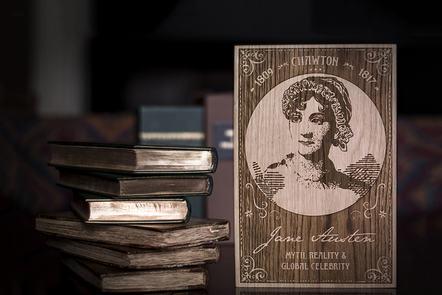
Jane Austen: Myth, Reality and Global Celebrity (FutureLearn) FutureLearn
University of Southampton

Jane Austen: Myth, Reality and Global Celebrity (FutureLearn)

Discover the fascinating story of author Jane Austen, from her own life in Hampshire to what she means to a global audience today. Jane Austen went from being a moderately successful anonymous novelist in her own time to a global celebrity in ours. On this course you will explore how that happened, exploring Austen’s own literary influences, and her reputation over time.

Self Paced
3 Weeks