Conceitos Básicos de Logística e Supply Chain (Coursera)

Conceitos Básicos de Logística e Supply Chain (Coursera)

Neste curso o aluno irá desenvolver habilidades que permitam criar soluções para problema operacionais típicos usando conceitos básicos da Logística e do Supply Chain: Transporte, Estoques, Informação e Nível de serviço. Transporte e Distribuição: O aluno irá analisar a demanda e oferta de transporte, os custos e modais disponíveis e desenvolver uma solução de distribuição integrada ao demais componentes da cadeia de suprimentos.

Class Deals by MOOC List - Click here and see Coursera's Active Discounts, Deals, and Promo Codes.

Estoque e Armazenagem: O aluno irá analisar as necessidades dos consumidores, interpretar seus resultados da demanda para propor um modelo aderente de previsão, além de definir políticas de manutenção de estoque (puxado e empurrado) e definir critérios para sistemas de armazenagem.
Ciclo de Pedido e Nível de serviço: a interface entre a logística e as demais áreas da organização como vendas, marketing e produção é fundamental para o alinhamento estratégico. O aluno irá interpretar as necessidades dos clientes internos e externos para calcular o ciclo de atendimento ao cliente e ajustar o nível de serviço adequado.

Syllabus

WEEK 1
Bem-Vindo

WEEK 2
Da logística ao supply chain
Este módulo visa desenvolver no aluno uma visão sistêmica da logística e do supply chain diferenciando os dois conceitos, apresentando seus principais componentes e identificando as principais variáveis a serem tratadas na solução de problemas (transporte, estoque, informação).

WEEK 3
Gestão de transportes
O transporte é geralmente o elemento mais representativo do custo logístico de uma empresa, respondendo por dois terços do custo logístico total. Portanto, o profissional de logística necessita ter um bom entendimento dos aspectos envolvidos com as decisões de transporte. Este módulo destaca conhecimentos fundamentais sobre o transporte que devem ser de domínio do profissional de logística, como a escolha do modal mais adequado para as operações de transporte, a apuração dos custos operacionais, o planejamento das operações de transporte e a avaliação de desempenho.

WEEK 4
Gestão de Estoques
Olá Aluno, Tudo bem? Espero que Sim!Todas as empresas e organizações de manufatura possuem um importante ativo que necessita ser gerenciado de maneira eficiente e eficaz: os estoques.Os estoques fazem parte da estratégia logística das empresas denominada Estratégias de Estoques que contemplam a previsão, os fundamentos de estocagem, as decisões envolvidas no que tange a quantidades, compras e programação de suprimentos e localização dos armazéns. Neste módulo vamos conhecer os principais tipos de estoques, a gestão de demanda, os indicadores de desempenho e as principais políticas.Bons Estudos! Julio Cesar Passos

WEEK 5
Nível de serviço e ciclo pedido
Olá a todos, eu sou a professora Juliana e estarei com vocês no módulo do curso que tratará sobre Nível de Serviço e Ciclo de pedido. Como parte estratégica das organizações, o nível de serviço e a gestão do ciclo de pedido são primordiais para que o cliente esteja satisfeito com o atendimento de suas necessidades. Além do Transporte e do Estoque torna-se primordial o conhecimento dos conceitos sobre nível de serviço, os elementos de pré-transação, transação e de pós transação voltados para o alcance dos objetivos das empresas. Alem disso, torna-se relevante estudar a prestação de serviços básicos e as 3 dimensões disponibilidade , desempenho operacional e confiabilidade que auxiliam as empresas a se aproximar do cliente e ser competitiva no mercado consumidor. Desejo a todos bons estudos! Juliana Vales

WEEK 6
Projeto final - Logística Integrada
nos! Como vimos, a logística tem papel relevante para o atendimento das necessidades dos clientes e fazer com que os mercados sejam abastecidos com produtos e serviços. Através de suas atividades básicas, tais como Transporte, Estoques e Nível de Serviços, os objetivos da Cadeia de suprimentos são atendidos. Este módulo tem por objetivo aplicar os conhecimentos aprendidos nas lições alem de oferecer a oportunidade de obter contato com um estudo de caso prático de uma operação logística. Esperamos que seja proveitoso o estudo e que vocês venham a galgar novo desafios no mundo da logística. Um abraço e bons estudos!


Go to Class
MOOC List is learner-supported. When you buy through links on our site, we may earn an affiliate commission.

Related Courses

Inventory Analytics (Coursera) Coursera
Rutgers University

Inventory Analytics (Coursera)

Inventory analytics is the corner stone of supply chain analytics. A company in trade industries may have 30-50% of their assets tied up in inventory. An effective inventory management can improve revenue by increasing product variety and availability, and reduce cost and speed up cash cycle by reducing excessive inventory and waste.

Sep 28th 2026
4 Weeks
MBA Essentials (Coursera) Coursera
University of Glasgow

MBA Essentials (Coursera)

Embark on a transformative journey through the world of business with our comprehensive course, MBA Essentials. Delivered by a team of dynamic instructors, each with their own unique teaching style, this course offers a diverse perspective on the multifaceted realm of business administration. In the 21st century, businesses demand individuals who can decipher data and information to craft strategic foresight. This course serves as a foundational cornerstone for those aspiring to elevate their careers.

Oct 5th 2026
4 Weeks
Electrical Power Distribution (Coursera) Coursera
L&T EduTech

Electrical Power Distribution (Coursera)

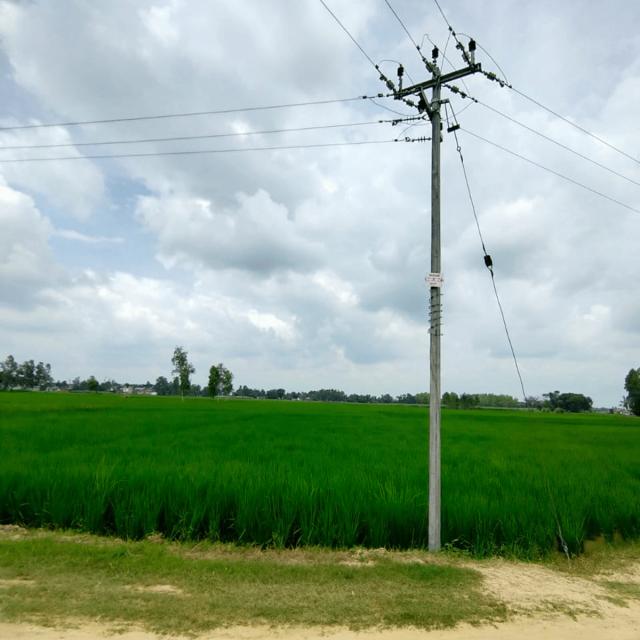
This is an application-oriented course explaining the various aspects of power distribution, indoor and outdoor equipment up to 33kV. The course adopts a cross-disciplinary approach to ensure that the learners understand site execution, testing and commissioning. Throughout the course, safety aspects have been emphasized in every area of work. This course blends with conceptual knowledge covering the latest technological trends like SCADA & automation.

Sep 28th 2026
5-12 Weeks
Using Data Analytics in Supply Chain (Coursera) Coursera
Unilever

Using Data Analytics in Supply Chain (Coursera)

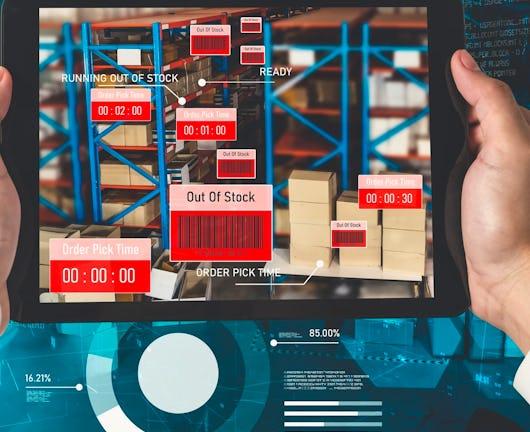
In the Using Data Analytics in Supply Chain course, you’ll explore the importance of data governance, and learn the fundamental concepts surrounding data. You’ll also learn the tools and processes employed in supply chain analytics, enabling you to gather, analyze, synthesize, validate, and interpret data-driven insights. This ensures that products are efficiently delivered to their destination in a timely and cost-effective manner.

Sep 28th 2026
5-12 Weeks
Retail Digital Supply Chain Coursera
University of Pennsylvania

Retail Digital Supply Chain

In this course, you will focus on understanding the main challenges and opportunities that the Retailer’s supply chains are seeing today. You will start by revisiting the supply chain fundamentals, concentrating on the impact that the digital transformation is having on these fundamentals. You'll then learn how meaningful retail analytics can generate value for retailers and their supply chains. By the end of this course, you will be able to identify what traditional retailers are doing to successfully navigate the digital transformation.

Sep 28th 2026
4 Weeks
Sustainable Supply Chains (Coursera) Coursera
Darden School of Business, University of Virginia

Sustainable Supply Chains (Coursera)

This course focuses on the premise of “What is a Sustainable Supply Chain? It covers the building blocks of a supply chain, the sustainability related standards, rules, and legislation that are applicable to the supply chain and the role of business, society, and government in building a sustainable supply chain.

Sep 28th 2026
4 Weeks
Supply Chain Principles (Coursera) Coursera
Georgia Institute of Technology

Supply Chain Principles (Coursera)

This course will provide a solid understanding of what a supply chain is all about. The course: provides an introduction to Supply Chain; leverages graphics to promote the Integrated Supply Chain model; emphasizes understanding the Extended Supply Chain; presents a holistic approach – Incorporating People, Process, and Technology; calls-out industry-specific supply chain; leverages discussions, videos, quizzes, and questions for consideration; provides awareness of career path opportunities; presents emerging and futuristic trends in supply chain and given that at GT we are focused on developing what’s next in the world, we include Discussion of emerging and futuristic trends in supply chain. There is very little math involved in this course – so don’t worry at all about your math skills.

Sep 28th 2026
5-12 Weeks
Introduction to Statistics (Coursera) Coursera
Stanford University

Introduction to Statistics (Coursera)

Stanford's "Introduction to Statistics" teaches you statistical thinking concepts that are essential for learning from data and communicating insights. By the end of the course, you will be able to perform exploratory data analysis, understand key principles of sampling, and select appropriate tests of significance for multiple contexts. You will gain the foundational skills that prepare you to pursue more advanced topics in statistical thinking and machine learning.

Oct 5th 2026
5-12 Weeks
Issues in Supply Chain Management (Coursera) Coursera
University of Illinois at Urbana-Champaign

Issues in Supply Chain Management (Coursera)

Learners in this course will examine global trade agreements -- including policies, barriers, and regulations -- of agricultural commodities, and discuss implications of world and economic disruptions on the food supply chain. Throughout this course, learners will also discuss issues of sustainability, technology, and the environment as it relates to the supply and distribution of food products.

Sep 28th 2026
5-12 Weeks
Key Success Factors in Supply Chain Finance (Coursera) Coursera
New York Institute of Finance

Key Success Factors in Supply Chain Finance (Coursera)

Implement and manage a successful financing program for a corporate buying organization by learning about the key success factors in Supply Chain Finance. In this course, you'll learn about the challenges and bottlenecks in Supply Chain Finance and understand their impact on Supply Chain Finance programs. This course will help you understand who the ideal customer is for a Supply Chain Finance program and understand how revenue is generated and such programs are priced.

Sep 28th 2026
5-12 Weeks