Causes of Human Disease: Transmitting and Fighting Infection (FutureLearn)

Offered by University of Leeds,
Causes of Human Disease: Transmitting and Fighting Infection (FutureLearn)

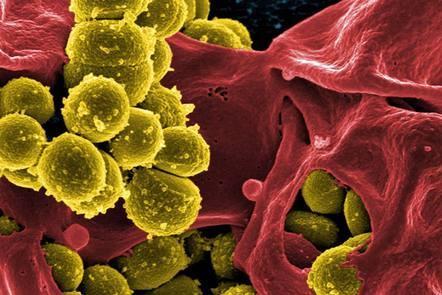
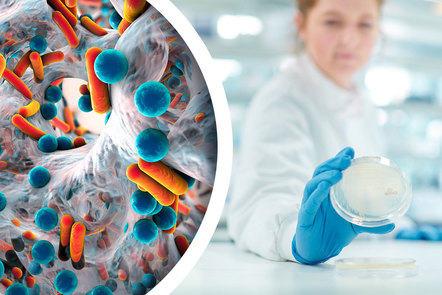
Learn how pathogens cause infectious diseases, how these diseases are transmitted and how our immune system respond to infection. Most of us have experienced common diseases like flu or less common ones like pneumonia. On this course, you’ll learn how pathogens cause infectious diseases and how these diseases are transmitted. You’ll examine the bacterial resistance to antibiotics, how this leads to serious infections like MRSA and reflect on approaches to address this problem.

Class Deals by MOOC List - Click here and see FutureLearn's Active Discounts, Deals, and Promo Codes.

You’ll learn how the body’s immune system fights off disease and how resistance is gained. You’ll apply this knowledge to explore why immunisation has been crucial in reducing the occurrence of disease or even eradicating deadly diseases.

Go to Class
MOOC List is learner-supported. When you buy through links on our site, we may earn an affiliate commission.


Related Courses

Protección de la infancia durante la COVID-19 y otros brotes de enfermedades infecciosas (FutureLearn) FutureLearn
The Alliance for Child Protection in Humanitarian Action

Protección de la infancia durante la COVID-19 y otros brotes de enfermedades infecciosas (FutureLearn)

Cómo adaptar los programas de protección de la infancia para apoyar el bienestar y el desarrollo de los niños y niñas vulnerables. Ajustar los programas de protección de la infancia en el contexto de la COVID-19. Este curso proporcionará a los profesionales de la protección de la infancia conocimientos y habilidades para implementar estrategias de prevención y respuesta ante crisis, sobre la base de datos empíricos, a fin de proteger a los niños y niñas durante los brotes de COVID-19 y otras enfermedades infecciosas.

Jun 21st 2021
5-12 Weeks
Pathogen Genomics: A New Era in Global Health Surveillance and Strategy (FutureLearn) FutureLearn
Wellcome Connecting Science,COG-Train

Pathogen Genomics: A New Era in Global Health Surveillance and Strategy (FutureLearn)

Learn how genomics can help contain infectious diseases, prevent future global health threats, and better protect public health. On this three-week course taught by experts in pathogen genomics and epidemiology, you’ll review recent developments in genomic surveillance, and explore how these could inform public health actions.

Mar 6th 2023
3 Weeks
Preventing the Zika Virus: Understanding and Controlling the Aedes Mosquito (FutureLearn) FutureLearn
London School of Hygiene & Tropical Medicine

Preventing the Zika Virus: Understanding and Controlling the Aedes Mosquito (FutureLearn)

Discover the science behind the Zika outbreak to understand how it is spread and can be controlled. The Zika virus is suspected to be the cause of cases of microcephaly in newborns in South America, and this outbreak has now been declared a Public Health Emergency of International Concern by the World Health Organization. With global attention towards this disease increasing rapidly, it is becoming clear that there is limited knowledge around how the carriers, or vectors, of Zika, are best avoided and controlled.

No sessions available
3 Weeks
Bacterial Genomes: Antimicrobial Resistance in Bacterial Pathogens (FutureLearn) FutureLearn
Wellcome Genome Campus Advanced Courses and Scientific Conferences

Bacterial Genomes: Antimicrobial Resistance in Bacterial Pathogens (FutureLearn)

What's antimicrobial resistance and how can we detect it? Explore the clinical relevance of AMR and the methods used to detect it. Explore the challenges of AMR and learn how experts work to address them. AMR is a public health emergency. Global projections predict the loss of nearly 10 million lives and up to $100 trillion lost in global production by 2050. According to the United Nations and the WHO, AMR requires immediate international action. On this course, you will explore the historical and epidemiological aspects of antibiotics and AMR, and recognise its clinical significance.

Oct 4th 2021
3 Weeks
Challenges in Antibiotic Resistance: Gram Negative Bacteria (FutureLearn) FutureLearn
British Society for Antimicrobial Chemotherapy - BSAC

Challenges in Antibiotic Resistance: Gram Negative Bacteria (FutureLearn)

This course by BSAC is for healthcare professionals managing infections. You will learn about Gram Negative Bacteria. Identify, diagnose and treat gram negative bacterial infections. Gram negative bacteria (GNB) are a group of bacteria that can cause infection and toxic reaction in patients, yet are difficult to differentiate and treat with antibiotics due to their structure.

Self Paced
3 Weeks
Syndromic Testing and Antimicrobial Stewardship (FutureLearn) FutureLearn
British Society for Antimicrobial Chemotherapy - BSAC

Syndromic Testing and Antimicrobial Stewardship (FutureLearn)

Explore how syndromic testing can aid rapid disease diagnostics and what this means for antimicrobial stewardship (AMS) programs. Learn about the value of a syndromic approach to infectious disease testing. This course offers healthcare professionals the chance to explore the background, benefits, and challenges of a syndromic approach to the diagnosis of clinical infections.

Self Paced
2 Weeks
Antimicrobial Stewardship in Wound Management (FutureLearn) FutureLearn
British Society for Antimicrobial Chemotherapy - BSAC,European Wound Management Association

Antimicrobial Stewardship in Wound Management (FutureLearn)

Gain insight into antimicrobial resistance, learn about the threats it poses to wound care, and explore preventative measures. Learn how to manage wound infection as a healthcare professional. It’s common to control wound infections with antibiotics. Understanding antimicrobial stewardship is key to preventing antimicrobial resistance and treating a range of infections caused by bacteria, parasites, viruses, and fungi.

Self Paced
3 Weeks
Causes of Human Disease: Understanding Cardiovascular Disease (FutureLearn) FutureLearn
University of Leeds

Causes of Human Disease: Understanding Cardiovascular Disease (FutureLearn)

Explore normal cardiovascular function and risk factors associated with heart attack, stroke and other cardiovascular diseases. Cardiovascular diseases are the leading global cause of death. On this course, you’ll learn how the cardiovascular system functions and understand common cardiovascular diseases like heart attack and stroke, as well as the risk factors associated with them.

Self Paced
2 Weeks
Antimicrobial Stewardship: Managing Antibiotic Resistance (FutureLearn) FutureLearn
University of Dundee,British Society for Antimicrobial Chemotherapy - BSAC

Antimicrobial Stewardship: Managing Antibiotic Resistance (FutureLearn)

Understand antibiotic resistance, and how antimicrobial stewardship can slow down or reduce it, with this free online course. Antimicrobial stewardship is a fast-growing field that aims to address this issue by managing our use of antibiotics to slow down or reduce the occurrence of antimicrobial resistance. Designed for healthcare professionals, this six-week course will inform you about - and empower you to provide - safe, high-quality antibiotic use.

Self Paced
5-12 Weeks
Challenges in Antibiotic Resistance: Point Prevalence Surveys (FutureLearn) FutureLearn
British Society for Antimicrobial Chemotherapy - BSAC

Challenges in Antibiotic Resistance: Point Prevalence Surveys (FutureLearn)

Learn how to use Point Prevalence Surveys (PPS) to measure antibiotic consumption and fight antimicrobial resistance. Point Prevalence Surveys (PPS) are an important tool for healthcare professionals to use to assess and improve antibiotic prescribing locally, nationally and globally. This online course - led by experts from the British Society for Antimicrobial Chemotherapy (BSAC) - looks at their use. You’ll discover the importance of measuring antibiotic consumption and how PPS can help.

Self Paced
2 Weeks