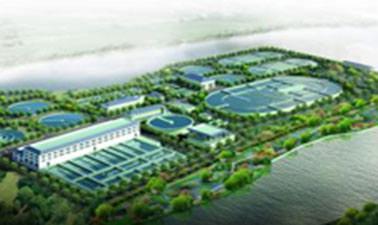
This course introduces biological principles used in the design and operation of biological wastewater treatment plants. Water scarcity is one of the most critical challenges in human society. Billions of people in the world have poor access to clean water and such a situation is getting worse with rapid population growth and industrial development.
Class Deals by MOOC List - Click here and see EdX's Active Discounts, Deals, and Promo Codes.
Wastewater treatment is an important approach to recover valuable water and reduce its pollution to the environment and risks to humans. Biological wastewater treatment is a cost-effective and most used technique for wastewater treatment.
This course introduces the fundamental design principles and practice of biological wastewater treatment and prepares students for designing wastewater treatment systems. At the end of the course, students are expected to understand general biological principles and design practices of wastewater treatment, apply the knowledge to select the best unit process to treat wastewater, and design a wastewater treatment component or process to meet water quality treatment goals.
This course is part of the Water and Wastewater Treatment MicroMasters.
What you'll learn
- preliminary treatment of wastewater
- primary treatment
- wastewater microbiology
- activated sludge process
- secondary settling
- disinfection
- post-aeration
- tertiary treatment
- residual management.
Syllabus
Week 1:
- Introduction of Wastewater Treatment
- Biochemical Oxygen Demand
- Overview of Wastewater Treatment Processes
- Pump Station
- Bar Screen
- Grit Chamber
- Equalization Basin
Week 2:
- Primary Treatment
- Sedimentation
- Primary Sedimentation
Week 3:
- Microbiological principles for biological wastewater treatment
-Microbial kinetics
-Mass balance equations
Week 4:
- Bacterial growth kinetics
- Sludge production
- Oxygen demand and transfer
- Food to microorganism ratio
-Denitrification
Week 5:
- Secondary Settling
- Disinfection