Agroforestry IV: Climate, Carbon Storage and Agroforestry (Coursera)

Offered by University of Florida,
Agroforestry IV: Climate, Carbon Storage and Agroforestry (Coursera)

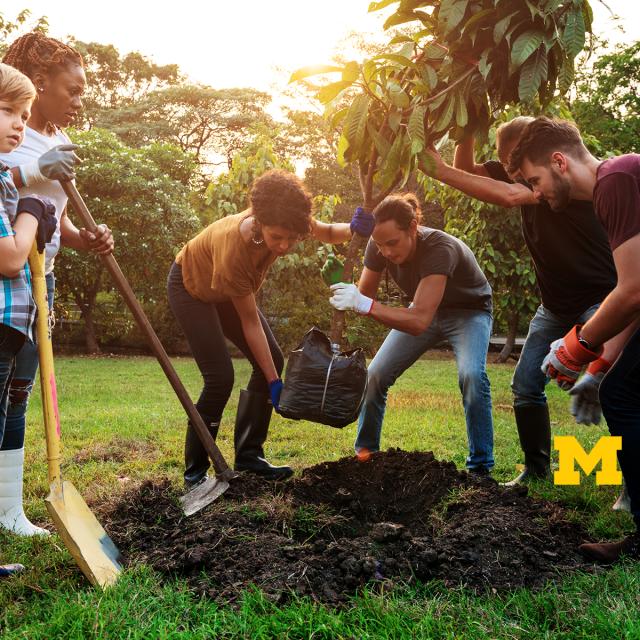
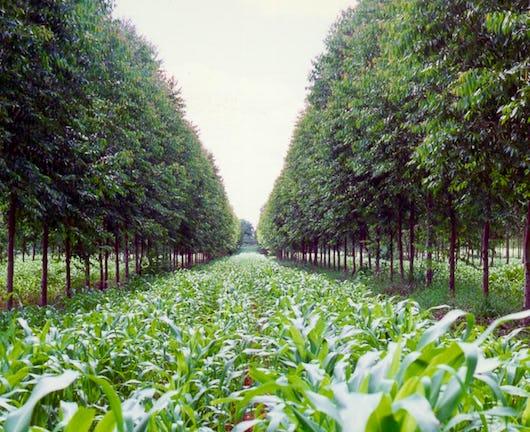
Welcome to Agroforestry IV: Climate Change, Carbon Storage and Agroforestry Systems, a detailed review of fundamental principles and best practices for successful agroforestry projects. This interdisciplinary module, presented by leading experts in the field, is the fourth in the five-module course covering the various aspects of agroforestry including the global distribution of the practices, their underlying principles, and major scientific advances during the past nearly five decades.

Class Deals by MOOC List - Click here and see Coursera's Active Discounts, Deals, and Promo Codes.

Students will gain extensive knowledge and skills related to agroforestry systems, best practices and scientific management that can be useful in promoting their professional development and sharpening their land management skills.
This course is part of the Agroforestry Specialization.

Syllabus

Course Introduction
Welcome to Agroforestry IV: Climate Change, Carbon Storage and Agroforestry Systems, a detailed review of fundamental principles and best practices for successful agroforestry projects. This interdisciplinary module, presented by leading experts in the field, is the fourth in the five-module course covering the various aspects of agroforestry including the global distribution of the practices, their underlying principles, and major scientific advances during the past nearly five decades. Students will gain extensive knowledge and skills related to agroforestry systems, best practices and scientific management that can be useful in promoting their professional development and sharpening their land management skills.

Go to Class
MOOC List is learner-supported. When you buy through links on our site, we may earn an affiliate commission.

Related Courses

Introduction to Religions & Ecology (Coursera) Coursera
Yale University

Introduction to Religions & Ecology (Coursera)

At first glance the fields of religion and ecology may seem and unlikely pairing, but a deeper consideration reveals the two have a great deal to contribute to one another and are indeed inextricably linked. Religions recognize the unity and interdependence of humans with nature. Ecological sciences affirm this deep interconnection with the natural world. This partnership can inspire work for the wellbeing of the Earth community
.

Jun 8th 2026
5-12 Weeks
The Sustainable Development Goals – A global, transdisciplinary vision for the future (Coursera) Coursera
University of Copenhagen

The Sustainable Development Goals – A global, transdisciplinary vision for the future (Coursera)

In 2015, the UN launched the 17 Sustainable Development Goals (SDGs). Adopted by 193 member states, the goals represent an important international step in setting humanity on a trajectory towards sustainable development. Within this course, you will get a historical overview of how sustainability has been understood, as well as a thorough introduction to the SDGs – what they are, how progress can be measured, and how the SDGs are relevant for the management of the global systems supporting humanity. The course will examine how various societal actors are responding to and implementing the SDGs.

Jun 8th 2026
3 Weeks
Genomics: Decoding the Universal Language of Life (Coursera) Coursera
University of Illinois at Urbana-Champaign

Genomics: Decoding the Universal Language of Life (Coursera)

What is a genome? A genome contains all of the information that a cell needs to develop, function, and reproduce itself, and all the information needed for those cells to come together to form a person, plant, or animal. Genomes contain an organism’s complete set of genes, and also the even tinier genetic structures that help regulate when and how those genes are used. The ability to regrow a torn ligament, the clues that might predict the onset of mental illness, the nutritional potential of crops, and even the history of life itself, are all encoded in genomes. By taking this course, you will discover how scientists are deciphering the language of genomes to learn how to develop sustainable food and fuel supplies, improve disease treatment and prevention, and protect our environment.

Jun 8th 2026
5-12 Weeks
ESG Investing: Industry Impacts & Transformations (Coursera) Coursera
Interactive Brokers

ESG Investing: Industry Impacts & Transformations (Coursera)

Through this ESG Investing: Industry Impacts & Transformations course, students with basic knowledge of traditional financial products can explore how certain financial market sectors have been transforming, amid a heightened focus on risk factors that underpin the three pillars of ESG. For example, what led age-old, iconic companies such as Borden and Dean Foods to file for bankruptcy? How are traditional oil giants BP and Exxon Mobil managing the energy transition? And what steps are firms such as International Paper and WestRock taking to align their business operations with forestry concerns?

Jun 8th 2026
5-12 Weeks
Introduction to Genetics and Evolution (Coursera) Coursera
Duke University

Introduction to Genetics and Evolution (Coursera)

Introduction to Genetics and Evolution is a college-level class being offered simultaneously to new students at Duke University. The course gives interested people a very basic overview of some principles behind these very fundamental areas of biology. We often hear about new "genome sequences," commercial kits that can tell you about your ancestry (including pre-human) from your DNA or disease predispositions, debates about the truth of evolution, why animals behave the way they do, and how people found "genetic evidence for natural selection." This course provides the basic biology you need to understand all of these issues better, tries to clarify some misconceptions, and tries to prepare students for future, more advanced coursework in Biology (and especially evolutionary genetics). No prior coursework is assumed.

Jun 8th 2026
5-12 Weeks
East Asian Religions & Ecology (Coursera) Coursera
Yale University

East Asian Religions & Ecology (Coursera)

At first glance the fields of religion and ecology may seem and unlikely pairing, but a deeper consideration reveals the two have a great deal to contribute to one another and are indeed inextricably linked. Religions recognize the unity and interdependence of humans with nature. Ecological sciences affirm this deep interconnection with the natural world. This partnership can inspire work for the wellbeing of the Earth community

Jun 8th 2026
5-12 Weeks
Paleontology: Early Vertebrate Evolution (Coursera) Coursera
University of Alberta

Paleontology: Early Vertebrate Evolution (Coursera)

Paleontology: Early Vertebrate Evolution is a four-lesson course teaching a comprehensive overview of the origin of vertebrates. Students will explore the diversity of Palaeozoic lineages within a phylogenetic and evolutionary framework .This course examines the evolution of major vertebrate novelties including the origin of fins, jaws, and tetrapod limbs. Students also explore key Canadian fossil localities, including the Burgess Shale (British Columbia), Miguasha (Quebec), and Man On The Hill (Northwest Territories).

Jun 10th 2026
4 Weeks
Tropical Forest Landscapes 101: Conservation & Restoration (Coursera) Coursera
Yale University

Tropical Forest Landscapes 101: Conservation & Restoration (Coursera)

Conserving and restoring tropical forest landscapes offers an opportunity to address pressing environmental and social challenges. Effective conservation and restoration initiatives support multiple objectives, including ecosystem functioning, climate change mitigation and adaptation, food security, and economic growth.

Jun 8th 2026
5-12 Weeks
Renewable Energy Futures (Coursera) Coursera
University of Colorado Boulder

Renewable Energy Futures (Coursera)

Renewable energy's future is bright, yet uncertain. Will it continue to grow rapidly? Is current growth sufficient to achieve climate stabilization? How do related technologies, like electric vehicles and heat pumps, fit in? This course will shed light on the many confusing and at-times inconsistent claims and predictions for renewable energy.

Jun 8th 2026
5-12 Weeks
Understanding Plants - Part I: What a Plant Knows (Coursera) Coursera
Tel Aviv University

Understanding Plants - Part I: What a Plant Knows (Coursera)

For centuries we have collectively marveled at plant diversity and form—from Charles Darwin’s early fascination with stems and flowers to Seymour Krelborn’s distorted doting in Little Shop of Horrors. This course intends to present an intriguing and scientifically valid look at how plants themselves experience the world—from the colors they see to the sensations they feel. Highlighting the latest research in genetics and more, we will delve into the inner lives of plants and draw parallels with the human senses to reveal that we have much more in common with sunflowers and oak trees than we may realize.

Jun 8th 2026
5-12 Weeks