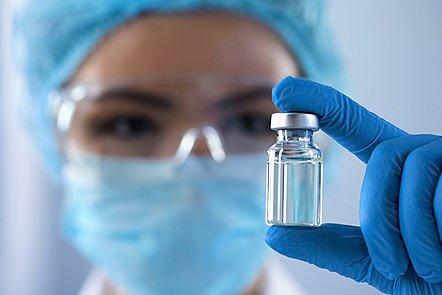
The Role of Vaccines in Preventing Infectious Diseases and Antimicrobial Resistance (FutureLearn)

The Role of Vaccines in Preventing Infectious Diseases and Antimicrobial Resistance (FutureLearn)

Learn how vaccines work and can be used for infectious disease control with this online course for healthcare professionals. Explore the impact of vaccines on infectious diseases and AMR. Vaccines are instrumental in protecting people against infectious diseases and antimicrobial resistance (AMR). On this course, you will investigate the role of vaccines in preventing these diseases and explore case studies that demonstrate successful strategies.

Class Deals by MOOC List - Click here and see FutureLearn's Active Discounts, Deals, and Promo Codes.

After taking this course, you will understand how vaccines work and are used globally in low, middle and high-income countries. You will also appreciate the factors influencing the availability and uptake of vaccines and understand the important role they play in managing infectious diseases and preventing AMR.

Syllabus

Week 1: Vaccines & Control of Infectious Diseases
Week 2: Optimising Vaccine Use for AMR and Infectious Disease Control

Learning on this course
You can take this self-guided course and learn at your own pace. On every step of the course you can meet other learners, share your ideas and join in with active discussions in the comments.

What will you achieve?
By the end of the course, you'll be able to...

  • Explain the basic principles of how vaccines work
  • Evaluate the impact of vaccines on infectious diseases
  • Describe how vaccines are currently used in higher and lower income countries
  • Describe the factors that influence vaccine deployment and uptake
  • Assess the potential pipeline of future vaccine development to prevent AMR and infectious diseases
  • Evaluate the challenges for novel vaccine development

Who is the course for?
This course is for healthcare professionals working in any setting and individuals interested in gaining more knowledge on vaccines and how they save lives.


Go to Class
MOOC List is learner-supported. When you buy through links on our site, we may earn an affiliate commission.

Related Courses

Health and Wellbeing in the Ancient World (FutureLearn) FutureLearn
The Open University

Health and Wellbeing in the Ancient World (FutureLearn)

Use literary and archaeological evidence to see how ancient Greeks and Romans approached health, well-being and societal issues. What did being healthy in ancient Rome or Greece look like? How can we tell what well-being meant in ancient times? This online course will help you investigate these questions, using both literary and archaeological evidence, to uncover details of real life in ancient societies.

Self Paced
5-12 Weeks
Improving Health Assessments for People with an Intellectual Disability (FutureLearn) FutureLearn
Trinity College Dublin,EIT Health

Improving Health Assessments for People with an Intellectual Disability (FutureLearn)

Learn how to improve healthcare for people with intellectual disabilities with this course for healthcare professionals. Detecting poor health and supporting people with an intellectual disability in managing their health can be challenging for healthcare professionals. During this course, you will gain valuable knowledge that you can transfer into your daily practice on how to include people with an intellectual disability in health assessments.

Self Paced
3 Weeks
Causes of Human Disease: Exploring Cancer and Genetic Disease (FutureLearn) FutureLearn
University of Leeds

Causes of Human Disease: Exploring Cancer and Genetic Disease (FutureLearn)

Explore how the unravelling of genetic code has led to a deeper understanding of genetic diseases and cancer. It’s widely known that some diseases run in families. The discovery of the structure of DNA and the unravelling of the genetic code has led to a deeper understanding of such diseases. We now know more about the genetic basis of cancer and how cancer cells are formed and reproduce. On this course you’ll explore the structure of DNA, its processes and learn how genetic disease results from DNA alterations.

Self Paced
2 Weeks
Understanding Insulin (FutureLearn) FutureLearn
University of Southampton

Understanding Insulin (FutureLearn)

Learn more about all things insulin: from how it works, to insulin types, to side effects and guidance on how to prescribe safely. The current spend on diabetes care by the NHS is estimated to be £1.6 million pounds per hour. 80% of this is spent on managing diabetes complications, the risk of which can be significantly reduced through effective blood glucose control using insulin.

Self Paced
4 Weeks
Understanding Autism (FutureLearn) FutureLearn
University of Kent

Understanding Autism (FutureLearn)

Understand more about autism, including diagnosis, the autistic spectrum and life with autism, with this online course. First identified over 70 years ago, autism is a lifelong developmental disability affecting how a person communicates with and relates to others, and how they make sense of the world. It is a spectrum condition; all people on the spectrum share certain difficulties, but their condition will affect them in different ways.

Self Paced
4 Weeks
Biochemistry: the Molecules of Life (FutureLearn) FutureLearn
University of East Anglia

Biochemistry: the Molecules of Life (FutureLearn)

Explore the impact of biochemistry on bioenergy and health, discovering why graduates are in demand; with the Biochemical Society. Biochemistry brings together all of the sciences to study the chemical and physical processes that occur in living organisms. It truly is the science of life. As a scientific discipline in its own right, biochemistry has a major impact on all areas of the life sciences and biochemists are in high demand among employers.

Self Paced
3 Weeks
Introduction to Health Technology Assessment (FutureLearn) FutureLearn
University of Glasgow

Introduction to Health Technology Assessment (FutureLearn)

Learn about health technology assessment (HTA) and quality of life (QoL), and how they’re used to decide which treatments to fund. Get an introduction to health technology assessment (HTA). This online course provides a short, interactive introduction to health technology assessment (HTA), based on the University of Glasgow’s successful online distance-learning programme, the MSc in HTA.

Self Paced
3 Weeks
Causes of Human Disease: Transmitting and Fighting Infection (FutureLearn) FutureLearn
University of Leeds

Causes of Human Disease: Transmitting and Fighting Infection (FutureLearn)

Learn how pathogens cause infectious diseases, how these diseases are transmitted and how our immune system respond to infection. Most of us have experienced common diseases like flu or less common ones like pneumonia. On this course, you’ll learn how pathogens cause infectious diseases and how these diseases are transmitted. You’ll examine the bacterial resistance to antibiotics, how this leads to serious infections like MRSA and reflect on approaches to address this problem.

Self Paced
2 Weeks
Challenges in Antibiotic Resistance: Point Prevalence Surveys (FutureLearn) FutureLearn
British Society for Antimicrobial Chemotherapy - BSAC

Challenges in Antibiotic Resistance: Point Prevalence Surveys (FutureLearn)

Learn how to use Point Prevalence Surveys (PPS) to measure antibiotic consumption and fight antimicrobial resistance. Point Prevalence Surveys (PPS) are an important tool for healthcare professionals to use to assess and improve antibiotic prescribing locally, nationally and globally. This online course - led by experts from the British Society for Antimicrobial Chemotherapy (BSAC) - looks at their use. You’ll discover the importance of measuring antibiotic consumption and how PPS can help.

Self Paced
2 Weeks