Medicines Adherence: Understanding and Changing Patient Behaviour (FutureLearn)

Offered by King's College London,
Medicines Adherence: Understanding and Changing Patient Behaviour (FutureLearn)

Initiate and support behaviour change in patients with medicines adherence problems – not taking their medicines as prescribed. This course has been designed by psychologists and clinicians at King’s College London for people interested in medicines adherence. Using evidenced-and theory-based techniques, you will deepen your awareness and understanding of current practical and theoretical issues around medicines adherence.

Class Deals by MOOC List - Click here and see FutureLearn's Active Discounts, Deals, and Promo Codes.

You will become familiar with the COM-B framework and see examples of behaviour change techniques to promote adherence. Learners from around the world will share best practices and discuss the practical examples shown through simulated clinical consultations.

What topics will you cover?

  • Application of the COM-B Model to identify the wide range of factors driving medicines non-adherence
  • Behaviour change techniques to initiate and support medicine-taking behaviour
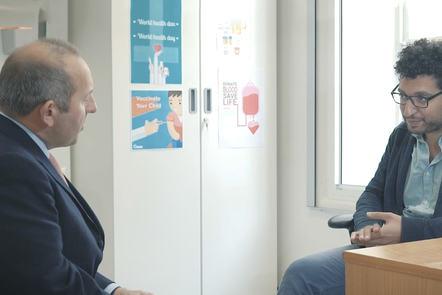
  • Simulated patient-practitioner consultations to illustrate the concepts, tools and techniques covered in this course

What will you achieve?

  • Apply a framework to better understand the drivers of medicines non-adherence
  • Apply techniques to effectively support behavior change in medicines taking behaviour
  • Reflect on how to implement these techniques in clinical practice
Go to Class
MOOC List is learner-supported. When you buy through links on our site, we may earn an affiliate commission.


Related Courses

Genomic Medicine: Transforming Patient Care in Diabetes (FutureLearn) FutureLearn
University of Exeter

Genomic Medicine: Transforming Patient Care in Diabetes (FutureLearn)

Learn how developments in genomics are transforming our knowledge and treatment of conditions such as diabetes. This course introduces genomics, using the University of Exeter’s research expertise in diabetes with patient cases, to illustrate the clinical application and impact of current knowledge.

Nov 2nd 2020
4 Weeks
Challenges in Antibiotic Resistance: Non-Fermenting Gram Negative Bacteria (FutureLearn) FutureLearn
British Society for Antimicrobial Chemotherapy - BSAC

Challenges in Antibiotic Resistance: Non-Fermenting Gram Negative Bacteria (FutureLearn)

Gain an understanding of antibiotic resistance in non-fermenting gram negative bacteria. Understand antibiotic resistance in non-fermenting gram negative bacteria. Non-fermenting gram negative bacteria are a group of bacteria which cause infection in a growing number of patients. Many of these bacteria are resistant to antibiotics, so it’s vital to accurately identify the specific bacteria in order to administer appropriate treatment. This informative two-week course will increase your understanding of the mechanisms of resistance, and will teach practical techniques for diagnosis and infection prevention and control.

No sessions available
2 Weeks
Case Studies in Personalized Medicine (Coursera) Coursera
Vanderbilt University

Case Studies in Personalized Medicine (Coursera)

Learn how advances in biomedicine hold the potential to revolutionize drug development, drug treatments, and disease prevention: where are we now, and what does the future hold? This course will present short primers in genetics and mechanisms underlying variability in drug responses. A series of case studies will be used to illustrate principles of how genetics are being brought to bear on refining diagnoses and on personalizing treatment in rare and common diseases. The ethical and operational issues around how to implement large scale genomic sequencing in clinical practice will be addressed.

Oct 12th 2026
5-12 Weeks
Ebola in Context: Understanding Transmission, Response and Control (FutureLearn) FutureLearn
London School of Hygiene & Tropical Medicine

Ebola in Context: Understanding Transmission, Response and Control (FutureLearn)

How has the Ebola outbreak become a humanitarian emergency? Learn about the science behind the crisis.In 2014, Ebola went from a scarcely known virus to the subject of daily news reports. The epidemic in West Africa has quickly surpassed all previous outbreaks, to become an unprecedented humanitarian crisis.

No sessions available
3 Weeks
Using Personalized Medicine and Pharmacogenetics (FutureLearn) FutureLearn
University of East Anglia

Using Personalized Medicine and Pharmacogenetics (FutureLearn)

Get to grips with pharmacogenetics and personalized medicine, so you can make informed treatment decisions. Personalized medicine and pharmacogenetics both promise exciting new developments in healthcare. On this course you will explore their potential, taking a close look at the human genome, genome and exome sequencing, pharamcogenetics tests, a review of current best evidence and the use of personalized medicine in cancer therapy.

No sessions available
3 Weeks
Tackling Antibiotic Resistance: What Should Dentists Do? (FutureLearn) FutureLearn
British Society for Antimicrobial Chemotherapy - BSAC,FDI World Dental Federation

Tackling Antibiotic Resistance: What Should Dentists Do? (FutureLearn)

Discover the danger posed by antibiotic resistance, and how dental teams can meet the challenge to protect patients. Explore how dentists can tackle the threat of global antibiotic resistance. Antibiotics are lifesaving drugs – when you need them, you need them to work. Antimicrobial resistance (AMR) poses a significant threat to health and wealth globally. Dental teams can do their bit by optimising the use of antibiotics. On this course, you’ll identify ways in which those involved in dental practice can do their bit to tackle antibiotic resistance (ABR).

May 11th 2026
3 Weeks
Cancer in the 21st Century - the Genomic Revolution (FutureLearn) FutureLearn
University of Glasgow

Cancer in the 21st Century - the Genomic Revolution (FutureLearn)

Discover how modern genetics has revolutionised approaches to the detection and treatment of cancer. Cancer Research UK estimates that 1 in 2 people in the UK will be diagnosed with cancer during their lifetime. It is a disease that impacts on most people’s lives at some stage. So understanding cancer, and the development of new treatments, is of intrinsic interest to us all.

No sessions available
5-12 Weeks
Reversing Diabetes: Fact or Fiction? (FutureLearn) FutureLearn
University of Leicester

Reversing Diabetes: Fact or Fiction? (FutureLearn)

Can diabetes be reversed? Explore research on the success of weight loss treatments in reversing and preventing type 2 diabetes. Join the debate around weight loss and type 2 diabetes remission. There is a growing prevalence of diseases which can be directly linked to our modern lifestyle and diet. Research into preventing and reversing type 2 diabetes is now heavily focused on obesity and weight loss.

May 30th 2022
3 Weeks