מבוא לאנרגיה מתחדשת Introduction to Renewable Energy (Coursera)

Offered by Tel Aviv University,
מבוא לאנרגיה מתחדשת Introduction to Renewable Energy (Coursera)

הנפט, הפחם והגז מניעים כיום את גלגלי חיינו. האם וכיצד ניתן להחליפם במקורות אנרגיה נקיים ומתחדשים?

Class Deals by MOOC List - Click here and see Coursera's Active Discounts, Deals, and Promo Codes.

Course language is Hebrew!
השימוש בדלק לסוגיו הוא התשתית שעליה מבוססים החיים המודרניים. כבר יותר ממאה שנה אנו משתמשים בדלקים מאובנים שנאצרו בבטן האדמה – נפט, גז טבעי ופחם – כדי להניע את גלגלי עולמנו: תעשייה מתקדמת, תחבורה מהירה, בתים נוחים ועוד. בקורס זה ננסה לבחון אלטרנטיבות אפשריות לדלקים המאובנים, הגורמים נזק לא מבוטל לסביבתנו ולבריאותנו. נתאר את המחקר המדעי האינטנסיבי המתקיים בתחום, ונציג מגוון טכנולוגיות מתקדמות להפקת אנרגיה נקייה ממקורות טבעיים ומתחדשים – כמו השמש, הרוח והמים – מקורות המצויים בשפע, אינם מזהמים, ואינם מתכלים.
קורס המבוא לאנרגיה מתחדשת ייפתח בשאלות הבסיס של תחום האנרגיה: מהם צורכי האנרגיה של האנושות כיום, ואילו משאבים עומדים לרשותה? אילו תהליכים אנו מכירים לאיסוף, המרה וניצול של מקורות אנרגיה? מהן הבעיות שנוצרות עקב השימוש הנוכחי במקורות אנרגיה מאובנים? ואיזה שינוי נדרש במדיניות האנרגיה ובמשק האנרגיה של החברה המודרנית?
מכאן נעבור לתיאור הסוגים העיקריים של אנרגיה מתחדשת – מקורות אנרגיה טבעיים, זמינים ובלתי מתכלים, שאינם גורמים נזק סביבתי, ועשויים להחליף את הדלקים המאובנים. נדבר על אנרגיית השמש, אנרגיית הרוח, אנרגיית המים וביו-אנרגיה; ננתח את הטכנולוגיות הקיימות כבר היום לניצול המקורות הללו לצורכי האדם; נציג כלים בסיסיים לחישוב יעילות ההמרה של כל טכנולוגיה, וכמויות האנרגיה שניתן להפיק באמצעותה; ונביא דרכים להערכת הכדאיות הכלכלית של כל אחת מהשיטות.
במקביל, נדון בקשיים ובאתגרים הממתינים עדיין לפתרון, ונשאל מה יש לעשות כדי שהאנרגיות המתחדשות ייושמו בקנה מידה רחב – בתעשייה, בתחבורה, ובכל תחומי חיינו. נבחן מגוון טכנולוגיות מתקדמות להפקת אנרגיה ממקורות נקיים; נסביר מדוע הן עדיין אינן תופסות את מקומם של הדלקים המאובנים; ונציג כיווני מחקר עכשוויים ופיתוחים חדשניים שמשפרים ומייעלים לא הרף את השיטות הקיימות, במטרה להבטיח לכולנו עתיד בר-קיימא.
Fuels are the foundations of modern living. For over a century we have been drawing fossil fuels – oil, coal and natural gas – from the depths of the earth, and using them to power our world: advanced industries, fast transportation, comfortable homes and more. In this course we will examine possible alternatives for these fuels - which have proved quite damaging to both our health and our environment. We will describe the intensive worldwide efforts in this field of research, and present their encouraging outcome: a range of innovative technologies for generating clean energy from natural, non-polluting and renewable sources – such as sunlight, wind and water.
The course will open with some fundamental questions on energy: What are the energy needs of the global population today, and what will they be tomorrow? What are the resources at our disposal? What are the known processes for harvesting, converting and utilizing resources of energy? What are the problems generated by the use of fossil fuels? In what ways must we change our energy policies and energy economy? And most important of all: What are the alternatives to fossil fuels, and can they supply humanity's extensive and constantly growing energy needs?
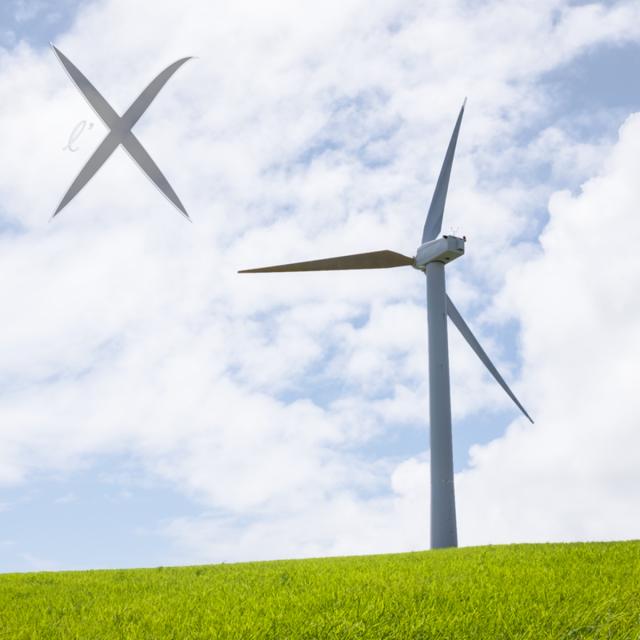
Subsequent lessons will introduce the main types of safe, clean, natural and renewable energy sources available to us: solar energy, wind energy, water energy and bioenergy. We will speak of existing technologies that already harness these resources to the needs of humankind, and supply simple tools for computing conversion efficiencies, calculating the amounts of energy produced through the various methods, and assessing their economic feasibility.
In parallel, we will discuss the remaining problems and challenges, and ask what must be done to enable the large-scale use of renewable energy – in industry, in transportation, and in every other sphere of our lives. We will examine several advanced renewable energy technologies; explain why they have not yet taken the place of fossil fuels; and present cutting-edge innovations and promising research directions – in the ongoing global effort to ensure a sustainable future for us all.

Note: This course is currently not available.

Related Courses

Mastering bitumen for better roads and innovative applications (Coursera) Coursera
École des Ponts ParisTech

Mastering bitumen for better roads and innovative applications (Coursera)

During the four coming weeks, best experts in bitumen will bring you their knowledge and experience to build a strong understanding of today’s realities and new perspectives on the future of bitumen. Total is the European leader on bitumen markets. Innovation has always been the key to sustainability and durability in the products they develop. Their main objective here is to share technical knowledge and experience to insure bitumen are being used in the most effective and efficient ways for their different applications in road works.

Oct 5th 2026
4 Weeks
Renewable Energy and Green Building Entrepreneurship (Coursera) Coursera
Duke University

Renewable Energy and Green Building Entrepreneurship (Coursera)

Welcome to the course where you learn to launch a new business in the energy, finance, real estate, design, engineering, or environmental sectors, while also helping you create positive environmental and human health impacts around the world. We will integrate tools, trends, and tips from the field of entrepreneurship as a career path for making a difference and generating wealth in the renewable energy and green building sectors.

Oct 5th 2026
3 Weeks
Politics and Economics of International Energy (Coursera) Coursera
Sciences Po

Politics and Economics of International Energy (Coursera)

Energy issues have always been important in international relations, but in recent years may have become even more important than in the past due to the widespread awareness of existing limits to energy sources and negative climate impacts. The course discusses global trends in energy consumption and production, various available scenarios for potential developments in the coming decades, the availability of oil reserves and the evolution of the oil industry.

Oct 5th 2026
5-12 Weeks
Energy: The Enterprise (Coursera) Coursera
University at Buffalo,The State University of New York

Energy: The Enterprise (Coursera)

This course provides a broad view of the evolving nature of energy and the influence of cost, availability, sustainability, technical advancements, lifestyle, and concern over the environment. Learners get a peek into our energy history, recent technical and societal advancements in clean energy, and some of the more important adjustments we have seen and will continue to see.

Oct 5th 2026
4 Weeks
Wind resources for renewable energies (Coursera) Coursera
École Polytechnique

Wind resources for renewable energies (Coursera)

The main goal of this course is to get the necessary knowledge on atmospheric and fluid dynamics in order to quantify the wind resource of a local or regional area. We’ll learn about basic meteorology, the specific dynamics of turbulent boundary layers and some standard techniques to estimate wind resources regardless of the type of turbine used or the level of efficiency achieved.

Oct 5th 2026
4 Weeks
Mechanics: Motion, Forces, Energy and Gravity, from Particles to Planets (Coursera) Coursera
UNSW Sydney - University of New South Wales

Mechanics: Motion, Forces, Energy and Gravity, from Particles to Planets (Coursera)

Most of the phenomena in the world around you are, at the fundamental level, based on physics, and much of physics is based on mechanics. Mechanics begins by quantifying motion, and then explaining it in terms of forces, energy and momentum. This allows us to analyse the operation of many familiar phenomena around us, but also the mechanics of planets, stars and galaxies.

Oct 12th 2026
5-12 Weeks
Introduction to Chemistry: Reactions and Ratios (Coursera) Coursera
Duke University

Introduction to Chemistry: Reactions and Ratios (Coursera)

This is an introductory course for students with limited background in chemistry; basic concepts involved in chemical reactions, stoichiometry, the periodic table, periodic trends, nomenclature, and chemical problem solving will be emphasized with the goal of preparing students for further study in chemistry as needed for many science, health, and policy professions.

Oct 5th 2026
5-12 Weeks
Planet Earth ... and You! (Coursera) Coursera
University of Illinois at Urbana-Champaign

Planet Earth ... and You! (Coursera)

Earthquakes, volcanoes, mountain building, ice ages, landslides, floods, life evolution, plate motions—all of these phenomena have interacted over the vast expanses of deep time to sculpt the dynamic planet that we live on today. Planet Earth presents an overview of several aspects of our home, from a geological perspective. We begin with earthquakes—what they are, what causes them, what effects they have, and what we can do about them. We will emphasize that plate tectonics—the grand unifying theory of geology—explains how the map of our planet's surface has changed radically over geologic time, and why present-day geologic activity—including a variety of devastating natural disasters such as earthquakes—occur where they do. We consider volcanoes, types of eruptions, and typical rocks found there.

Oct 19th 2026
5-12 Weeks
Ressources minérales et transition (Coursera) Coursera
Institut Mines-Telecom

Ressources minérales et transition (Coursera)

Ce MOOC sur les ressources minérales et les transitions invite à se questionner sur la soutenabilité de nos choix technologiques. Les transitions énergétiques et numériques sont en effet confrontées aux enjeux d'approvisionnement des ressources minérales et aux impacts que leur cycle de vie génère sur l’environnement et la société.

Oct 12th 2026
4 Weeks