EdX

Anatomy: Human Neuroanatomy (edX)

Anatomy: Human Neuroanatomy (edX)

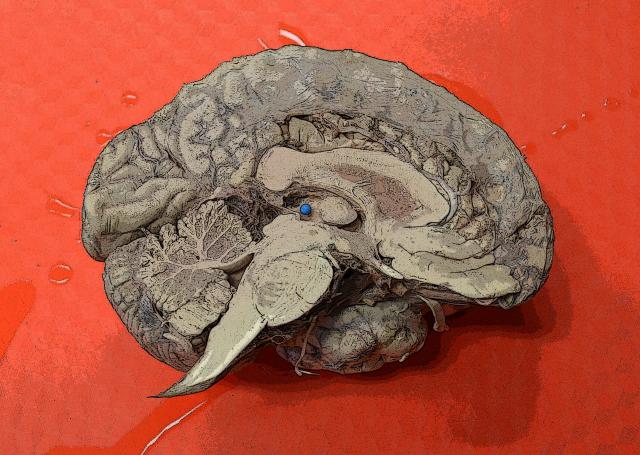
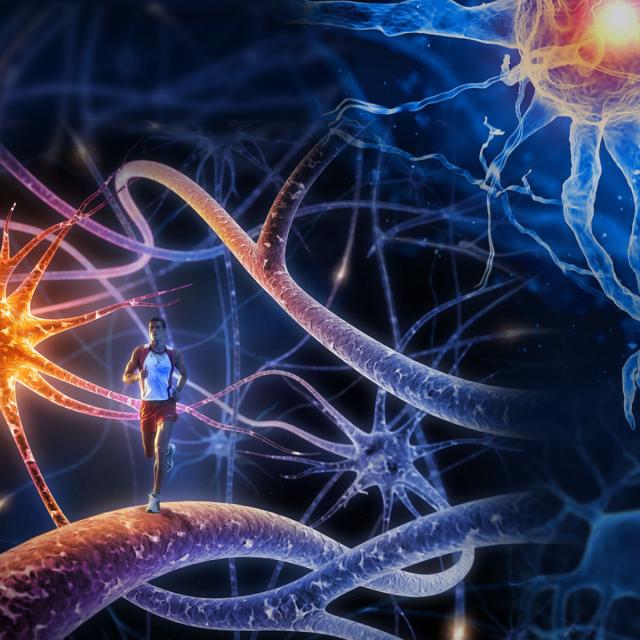
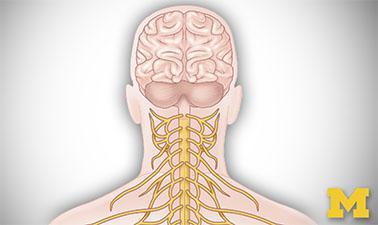
Learn about the different parts of the central nervous system and how they work together with the entire body. In this anatomy course, part of the Anatomy XSeries, you will be introduced to the central and peripheral nervous systems. You will learn about basic neuroanatomy, sensory pathways, motor pathways and the autonomic nervous system.

Class Deals by MOOC List - Click here and see EdX's Active Discounts, Deals, and Promo Codes.

The course includes illustrated lecture videos and quizzes to help you expand and test your knowledge of the nervous system.
By the end of this course, you will have a better understanding of how the entire body influences, and is influenced, by the nervous system.
This course is part of the Anatomy XSeries.

What you'll learn

  • Learn the gross anatomy of the central and peripheral nervous systems
  • Understand how sensory information enters the brain
  • Understand how the brain and spinal cord control the muscles
  • Understand how the autonomic nervous system activates the fight or flight response
  • Learn the names and functions of the cranial nerves
Go to Class
MOOC List is learner-supported. When you buy through links on our site, we may earn an affiliate commission.
Related Courses

Human Anatomy: Musculoskeletal Cases (edX) EdX
HarvardX,Harvard University

Human Anatomy: Musculoskeletal Cases (edX)

Learn the anatomy basic to understanding five musculoskeletal injuries commonly seen in primary care medicine and orthopedic clinical specialty practice. Follow hypothetical patients from injury to operating room. Human Anatomy: Musculoskeletal Cases invites students to join medical and basic science faculty at Harvard Medical School (HMS) to learn about musculoskeletal injuries commonly seen in clinical practice.

Self Paced
Self-Paced
Understanding the Brain: The Neurobiology of Everyday Life (Coursera) Coursera
University of Chicago

Understanding the Brain: The Neurobiology of Everyday Life (Coursera)

Learn how the nervous system produces behavior, how we use our brain every day, and how neuroscience can explain the common problems afflicting people today. We will study functional human neuroanatomy and neuronal communication, and then use this information to understand how we perceive the outside world, move our bodies voluntarily, stay alive, and play well with others.

Sep 21st 2026
5-12 Weeks
Exploring Anatomy: The Human Abdomen (FutureLearn) FutureLearn
University of Leeds

Exploring Anatomy: The Human Abdomen (FutureLearn)

Explore the anatomy of the human abdomen and appreciate its clinical importance. You will be introduced to the human abdomen and its many complex structures through stimulating discussions on common surgical scenarios and current research. Each week, we will focus on a specific area of the abdomen; starting at the anterior abdominal wall and be able to detail the anatomy of numerous organs including the stomach and liver.

Self Paced
3 Weeks
Anatomy & Physiology: Regulation, Integration, & Control (Coursera) Coursera
Rice University

Anatomy & Physiology: Regulation, Integration, & Control (Coursera)

This course continues the systems-based approach to human anatomy and physiology at the organ, organ system, and organism level. Two major body systems related to regulation and integration of information will be explored in detail: the nervous and endocrine systems. Course material will cover both the structure (anatomy) and function (physiology) of each system with direct application to human development and disease.

Sep 21st 2026
3 Weeks
Advanced Neurobiology II (Coursera) Coursera
Peking University

Advanced Neurobiology II (Coursera)

Hello everyone! Welcome to advanced neurobiology! Neuroscience is a wonderful branch of science on how our brain perceives the external world, how our brain thinks, how our brain responds to the outside of the world, and how during disease or aging the neuronal connections deteriorate. We’re trying to understand the molecular, cellular nature and the circuitry arrangement of how nervous system works.

Oct 5th 2026
5-12 Weeks
Advanced Neurobiology I (Coursera) Coursera
Peking University

Advanced Neurobiology I (Coursera)

Hello everyone! Welcome to advanced neurobiology! Neuroscience is a wonderful branch of science on how our brain perceives the external world, how our brain thinks, how our brain responds to the outside of the world, and how during disease or aging the neuronal connections deteriorate. We’re trying to understand the molecular, cellular nature and the circuitry arrangement of how nervous system works.

Sep 21st 2026
5-12 Weeks
Essential Human Biology: Cells and Tissues (edX) EdX
University of Adelaide,AdelaideX

Essential Human Biology: Cells and Tissues (edX)

An introduction to the human body's most fundamental building blocks and their behaviours in health and disease. Are you preparing for a health-related career, or planning to study in the health sciences? Perhaps you're just keen to learn more about the wonders of the human body? Our bodies are amazing but complex biological machines. This course will provide you with an outstanding foundation of knowledge in human anatomy and physiology.

Self Paced
Self-Paced
Anatomy: Gastrointestinal, Reproductive and Endocrine Systems (Coursera) Coursera
University of Michigan

Anatomy: Gastrointestinal, Reproductive and Endocrine Systems (Coursera)

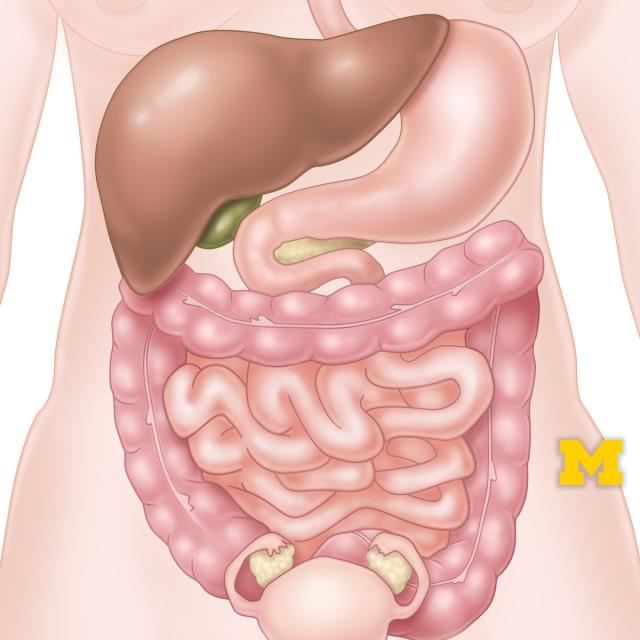
In this anatomy course, part of the Anatomy Specialization, you’ll learn about the various digestive, endocrine, and reproductive organs, their functions, and pathways of nerves and blood vessels serving these organs. Clinical correlations and vignettes will be used to highlight the importance of these anatomical structures and their relationships. Images and videos from cadaveric and artistic materials will be used to illustrate these concepts.

Sep 21st 2026
3 Weeks
Developing the SIR Model (Coursera) Coursera
Imperial College London

Developing the SIR Model (Coursera)

Compartmental modelling is a cornerstone of mathematical modelling of infectious diseases and this course will introduce some of the basic concepts in building compartmental models, including how to interpret and represent rates, durations and proportions. You'll learn to place the mathematics to one side and concentrate on gaining intuition into the behaviour of a simple epidemic, and be introduced to further basic concepts of infectious disease epidemiology, such as the basic reproduction number (R0) and its implications for infectious disease dynamics.

Sep 21st 2026
4 Weeks