Learn how early American politics informed the U.S. Constitution and why its promise of liberty and equality has yet to be fully realized. This course explores the origins of U.S. political culture, how that culture informed the Constitution, and how that framework continues to influence the country’s politics and policies.
Class Deals by MOOC List - Click here and see EdX's Active Discounts, Deals, and Promo Codes.
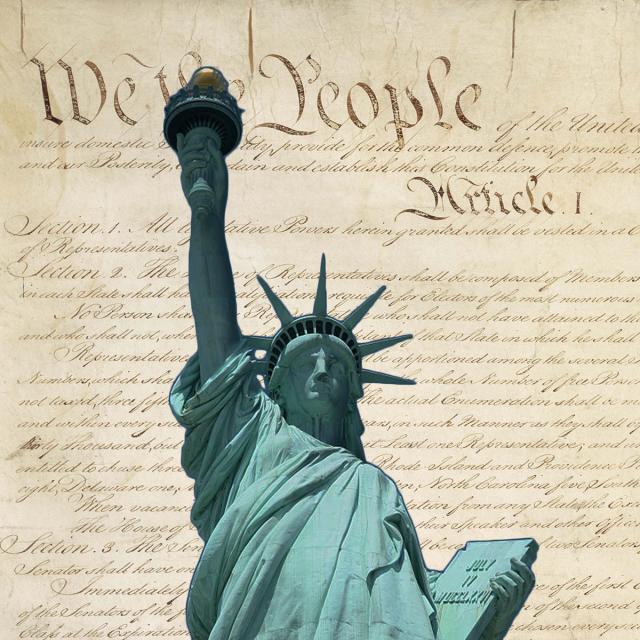
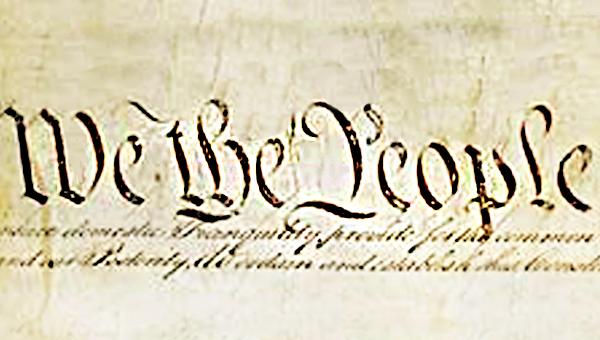
“We the People” are the opening words of the U.S. Constitution, yet the original document did not give citizens much say in the election of their officials. Though some of those issues have been addressed, substantial barriers—gerrymandering, voter registration, and voter ID laws—still restrain the power of the vote. Why? How can a country, founded more than 200 years ago on the ideals of liberty, equality, and individualism, still struggle to empower all of its citizens equally?
We will examine the Constitution’s provisions for limited government, the division of power between the federal and state governments, and the forces that have made federalism a source of political conflict and change.
We will address how the Constitution not only established the structure of the U.S. government but guarantees personal freedoms and civil rights. These rights have been challenged and expanded in significant Supreme Court cases, which will help to illustrate how historically disadvantaged groups have struggled to realize the 14th Amendment's promise of equality.
This course is part of the U.S. Government XSeries Program.
What you'll learn
- The foundations of the American political culture
- How the Constitution represented the idea of “limited government”
- Why the Constitution’s framers felt it necessary to limit popular influence
- The history of federalism as a constitutional issue
- How power is divided between the federal and state governments
- What individual rights are held by today’s Americans
- Which policies have expanded the rights of disadvantaged groups
Syllabus
Week 1: Political Culture
This session will explore the origins of the nation’s political culture, its embrace by each succeeding generation of Americans, and its continuing influence on the nation’s politics and policies. U.S. welfare and education policy will be used to illustrate that influence. The session also highlights the nature of politics—the process through which society settles its conflicts over scarce resources and conflicting values.
Week 2: Limited Government
This session will examine the Constitution’s provisions for limited government and then explore the extent to which these provisions have curbed constitutional abuses of power. The main points of the session will be reinforced by examining a set of cases, including the Watergate scandal, the internment of Japanese Americans during World War II, and the Bush Administration’s handling of enemy detainees after the terrorist attacks of September 11, 2001.
Week 3: Representative Government
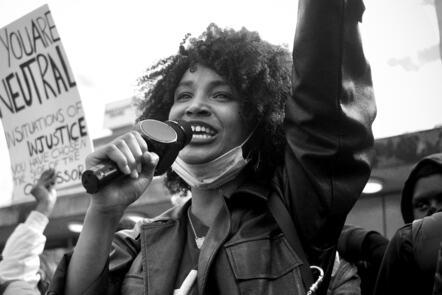
This session will explore the reasons that the framers felt it necessary to limit popular influence, will describe how and why the original system changed, and will look at contemporary barriers—gerrymandering, voter registration, and voter ID laws—that inhibit voting.
Week 4: Federalism
The session will explain the division of power between the federal and state governments and also explain how broadly worded constitutional clauses, partisan differences, and changing national needs have combined to make federalism a source of political conflict and change. Among the cases explored in this session is the constitutional dispute provoked by the 2010 healthcare reform act.
Week 5: Civil Liberties
This session will examine these developments and explain the individual rights held by today’s Americans. Major Supreme Court rulings—such as those relating to free speech and protection from unreasonable search and seizure—will be discussed as a means of clarifying Americans’ civil liberties.
Week 6: Civil Rights
This session will focus on three policies that have been instrumental in expanding the rights and opportunities of disadvantaged groups: the 14th Amendment’s equal protection clause, the 1964 Civil Rights Act, and affirmative action. The last of these policies have been particularly contentious and we’ll take a close look at it, including a recent Supreme Court ruling on a case involving the University of Texas at Austin.