Hacking COVID-19 — Course 1: Identifying a Deadly Pathogen (Coursera)

Hacking COVID-19 — Course 1: Identifying a Deadly Pathogen (Coursera)

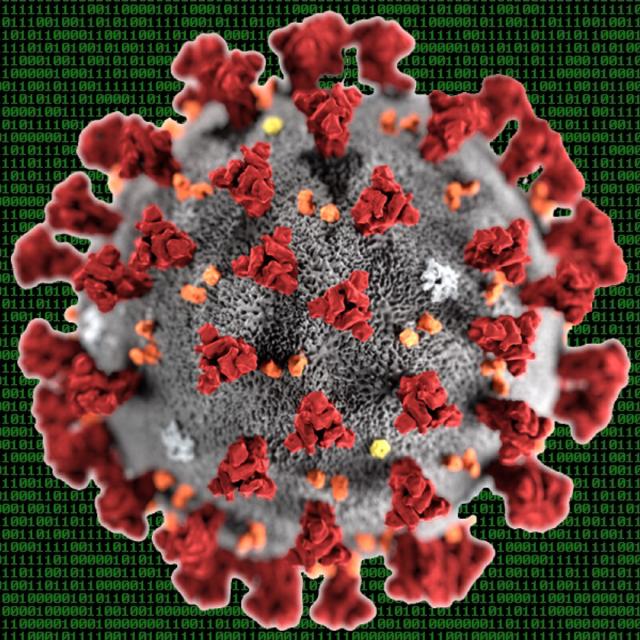
In this course, you will follow in the footsteps of the bioinformaticians investigating the COVID-19 outbreak by assembling the SARS-CoV-2 genome. Whether you’re new to the world of computational biology, or you’re a bioinformatics expert seeking to learn about its applications in the COVID-19 pandemic, or somewhere in between, this course is for you!

Class Deals by MOOC List - Click here and see Coursera's Active Discounts, Deals, and Promo Codes.

As you go through this journey, we will introduce and explain genomic concepts and give you many opportunities to practice your skills, and we will provide a series of problems with gradually increasing complexity. This first course will only discuss the assembly of the SARS-CoV-2 genome, but future courses in this series will explore follow-up bioinformatics analyses used in the COVID-19 pandemic.

Syllabus

WEEK 1
In Chapter 1, we will first travel back in time to learn about the history of the SARS outbreak of 2003. Next, we will travel to late 2019 to learn about the origins of SARS-CoV-2, a novel virus that wreaked havoc upon the world during the COVID-19 pandemic. Lastly, we will explore the biology behind this mysterious virus as we take our first steps towards Hacking COVID-19.

WEEK 2
In Chapter 2, we will learn about how modern technologies are able to sequence DNA in small chunks. Next, we will learn how to use SPAdes, a popular genome assembly tool, to reconstruct the SARS-CoV-2 genome from small fragments. Lastly, we will learn how to use QUAST to assess the quality of our assembled SARS-CoV-2 genome.

Go to Class
MOOC List is learner-supported. When you buy through links on our site, we may earn an affiliate commission.

Related Courses

Tropical Parasitology: Protozoans, Worms, Vectors and Human Diseases (Coursera) Coursera
Duke University,Kilimanjaro Christian Medical University College

Tropical Parasitology: Protozoans, Worms, Vectors and Human Diseases (Coursera)

This course provides students an understanding of important human parasitic diseases, including their life cycles, vectors of transmission, distribution and epidemiology, pathophysiology and clinical manifestations, treatment, and prevention and control. Tropical Parasitology is taught by faculty from an area highly impacted by tropical parasites- the Kilimanjaro Christian Medical University College in Moshi, Tanzania. The faculty include Drs. Frank Mosha and Mramba Nyindo (and two lecturers, Drs. Johnson Matowo and Jovin Kitau). Dr. John Bartlett, Professor of Medicine, Global Health and Nursing at Duke University, joins his faculty colleagues in this effort.

Oct 5th 2026
5-12 Weeks
Saúde Baseada em Evidências (Coursera) Coursera
Universidade Estadual de Campinas - UNICAMP

Saúde Baseada em Evidências (Coursera)

Por que as informações na área da saúde são tão conflitantes? Existe algum lugar em que a informação sobre saúde é confiável? O que devo considerar ao deparar com alguma novidade que parece mágica? Como o sistema de saúde é afetado por essas questões? Essas e outras perguntas nortearam o curso Saúde Baseada em Evidências. Além dessas reflexões, são apontados aspectos sobre o desenvolvimento de pesquisas médicas que fornecem subsídios para uma interpretação mais apurada dos fatos.

Oct 5th 2026
5-12 Weeks
Urbanisation and Health - Promoting Sustainable Solutions (Coursera) Coursera
University of Copenhagen

Urbanisation and Health - Promoting Sustainable Solutions (Coursera)

More than half of world’s population lives in cities while only 5% did so in the 18th century. The rapid urbanisation has resulted in for example inadequate infrastructure, physical inactivity, gentrification, air pollution, and growing numbers of slum dwellers. All factors challenging health and wellbeing of the people living in the cities. In addition, when addressing climate change it has become of paramount importance to look at mitigation and adaptation investments tailored to the urban context.

Oct 5th 2026
5-12 Weeks
Everyday Chinese Medicine 2 (Coursera) Coursera
The Chinese University of Hong Kong

Everyday Chinese Medicine 2 (Coursera)

This course, Everyday Chinese Medicine II offered by the Chinese University of Hong Kong, aims to show to the public, as well as the healthcare professionals about the basic principles of Chinese medicine. Our primary goal is to empower healthcare choices by promoting awareness and practical application on Chinese medicine diagnostic and therapeutic approaches, and to facilitate interprofessional education between Chinese and conventional clinicians.

Oct 5th 2026
5-12 Weeks
Hacking Exercise For Health. The surprising new science of fitness. (Coursera) Coursera
McMaster University

Hacking Exercise For Health. The surprising new science of fitness. (Coursera)

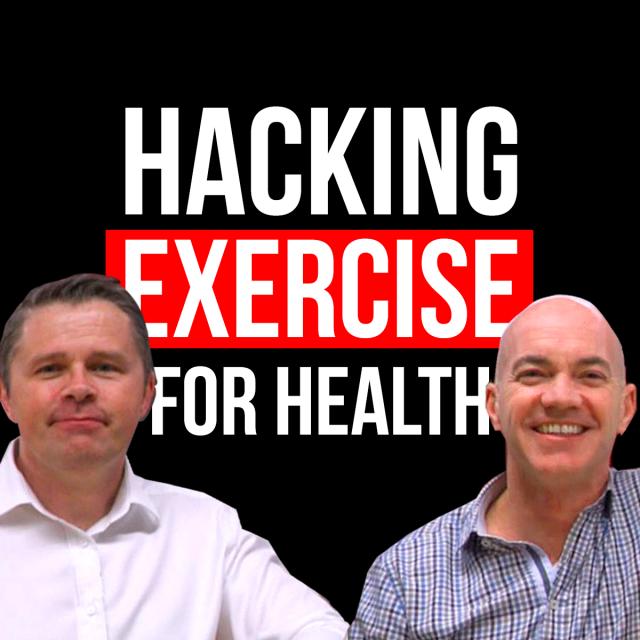
Renowned exercise physiologists Martin Gibala and Stuart Phillips of McMaster University teach the surprising new science of cardio fitness and strength-building—and then provide you with hacks to get fit and strong (and healthy!) in less time than you ever thought possible. What’s the right mix of exercise between cardio and strength? How do you know if you’re working out hard enough? What’s better, heavy or light weights? These questions and more are addressed through a course designed to provide even the most inexperienced of exercisers the tools you need to design time-efficient workouts that can be done virtually anywhere, from your own home to a city park or even at your workplace.

Oct 5th 2026
4 Weeks
Introduction to Dental Medicine (Coursera) Coursera
University of Pennsylvania

Introduction to Dental Medicine (Coursera)

The mouth is the window into human health. This course provides an overview of dental medicine to engage, educate, excite and assist you in improving the oral health of your patients and members of your community. We will review topics in dental medicine including scope of the field, what to expect in function, and some of the many ways that dysfunction may present for different patients.

Oct 5th 2026
5-12 Weeks
Psychological First Aid (Coursera) Coursera
Johns Hopkins University

Psychological First Aid (Coursera)

Learn to provide psychological first aid to people in an emergency by employing the RAPID model: Reflective listening, Assessment of needs, Prioritization, Intervention, and Disposition. Utilizing the RAPID model (Reflective listening, Assessment of needs, Prioritization, Intervention, and Disposition), this specialized course provides perspectives on injuries and trauma that are beyond those physical in nature. The RAPID model is readily applicable to public health settings, the workplace, the military, faith-based organizations, mass disaster venues, and even the demands of more commonplace critical events, e.g., dealing with the psychological aftermath of accidents, robberies, suicide, homicide, or community violence.

Oct 5th 2026
5-12 Weeks
Introduction to Systems Biology (Coursera) Coursera
Icahn School of Medicine at Mount Sinai

Introduction to Systems Biology (Coursera)

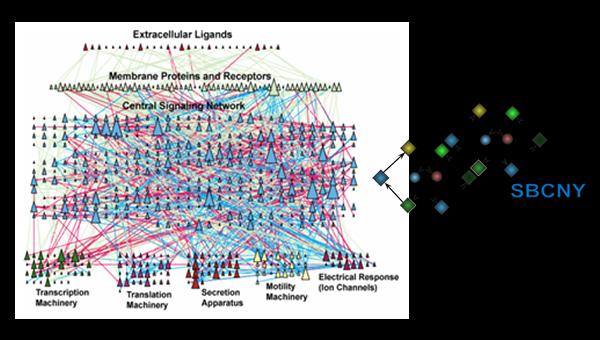
This course will introduce the student to contemporary Systems Biology focused on mammalian cells, their constituents and their functions. Biology is moving from molecular to modular. As our knowledge of our genome and gene expression deepens and we develop lists of molecules (proteins, lipids, ions) involved in cellular processes, we need to understand how these molecules interact with each other to form modules that act as discrete functional systems.

Oct 5th 2026
5-12 Weeks
Introduction to Hearing Loss (Coursera) Coursera
Icahn School of Medicine at Mount Sinai

Introduction to Hearing Loss (Coursera)

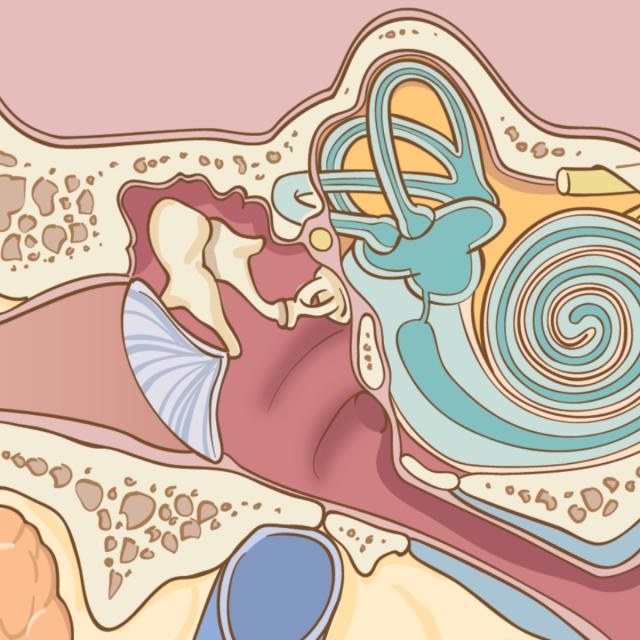
Welcome to Introduction to Hearing Loss. Disorders of the ear range from simple, easily treated entities (such as wax or cerumen impaction) to the highly complex (such as permanent hearing loss). Many of these disorders manifest with similar symptoms and may be difficult to differentiate without a basic understanding of the anatomy of the ear and auditory pathway.

Oct 5th 2026
4 Weeks
Air Pollution – a Global Threat to our Health (Coursera) Coursera
University of Copenhagen

Air Pollution – a Global Threat to our Health (Coursera)

We all have to breathe to live. But the air we breathe is polluted both outdoors and indoors. Each year, this pollution costs 7 million lives across the globe – and a lot of suffering. 1 in 8 deaths is due to air pollution. This course will provide you with an introduction to the most recent research in the field of health effects of air pollution as well as a broader understanding of sources and spread of air pollution and what we should do about it.

Oct 5th 2026
3 Weeks
Ecosystems of California (Coursera) Coursera
University of California, Santa Cruz

Ecosystems of California (Coursera)

This course surveys the diversity, structure and functioning of California’s ecosystems through time and the ways they have influenced and responded to human activities and stewardship. Topics include ecosystem drivers such as climate, soils, and land use history; human and ecological prehistory of the state; comparative marine, freshwater, and terrestrial ecosystem dynamics; and managed ecosystems such as range, fisheries and agriculture in California.

Oct 5th 2026
5-12 Weeks