Building RESTful APIs with Node.js and Express (Coursera)

Offered by Board Infinity,
Building RESTful APIs with Node.js and Express (Coursera)

This course will teach you how to build RESTful APIs using Node.js and Express, two popular and widely used technologies in web development. You will learn how to create a server-side application that can handle requests from client-side applications and respond with JSON data.

Class Deals by MOOC List - Click here and see Coursera's Active Discounts, Deals, and Promo Codes.

In the first module, participants will delve into the world of Node.js and Express, learning how to set up a development environment, explore the architecture of Node.js, and work with built-in modules. This module also covers how to use middleware, handle HTTP requests and responses, and use template engines.
The second module of the course focuses on working with databases using MongoDB, a popular NoSQL database. This part will impart knowledge about connecting to a MongoDB database, creating collections and documents, and performing CRUD operations using the MongoDB driver. Participants will also learn about NoSQL databases and how to query and interact with them.
The third module dives into advanced topics in Node.js and Express, such as asynchronous programming, error handling, security, and testing. This module involves understanding how to write scalable and maintainable code, handle errors and exceptions, and implement security measures.
By the end of this course, you will have the skills and knowledge to create scalable, robust, and secure RESTful APIs using Node.js and Express. Whether you are a beginner or an experienced developer, this course will equip you with the tools you need to build modern web applications with confidence.
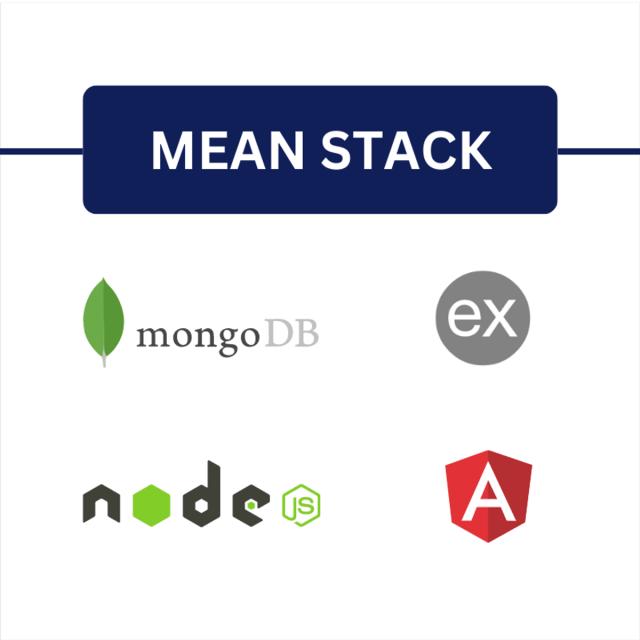
This course is part of the Learning MEAN Stack by Building Real world Application Specialization.

Syllabus

Introduction to Node.js and Express
Module 1
This module will introduce you to Node.js and Express, two fundamental technologies for building modern web applications. You will learn how to set up your development environment, install Node.js and NPM, and create your first Node.js application. You will start by exploring the features of Node.js and its unique architecture, including the event loop and non-blocking I/O model. You will also learn how to use the built-in modules and NPM to install and manage dependencies. Next, you will dive into Express, a popular web framework built on top of Node.js. You will learn how to install and configure Express, create a simple web server, and handle HTTP requests and responses. In this module, you will also learn how to use middleware to add functionality to your Express application, including logging, error handling, and parsing request bodies. You will also learn how to use template engines to render dynamic views and serve static files. By the end of this module, you will have a solid understanding of the basics of Node.js and Express, and be ready to dive deeper into building RESTful APIs in the following modules.

Working with Databases and MongoDB
Module 2
This module will teach you how to work with databases in Node.js using MongoDB, a popular NoSQL database. You will learn how to connect to a MongoDB database, create collections and documents, and perform CRUD operations using the MongoDB driver. You will start by understanding the basics of NoSQL databases and their advantages over traditional relational databases. You will learn how to set up and configure MongoDB, and how to interact with it using the command line and the MongoDB Compass GUI. Next, you will learn how to use the MongoDB driver in Node.js to perform CRUD operations on the database, including inserting, updating, and deleting documents. You will also learn how to query the database using the MongoDB query language and perform aggregation operations. By the end of this module, you will have the skills and knowledge to work with databases in Node.js using MongoDB. You will be able to create and interact with databases and perform CRUD operations using the MongoDB driver.

Advanced Topics in Node.js and Express
Module 3
This module will cover advanced topics in Node.js and Express, including asynchronous programming, error handling, security, and testing. You will learn how to write scalable and maintainable code, handle errors and exceptions, and implement security measures to protect your application. You will start by understanding the importance of asynchronous programming in Node.js, and how to use callbacks, promises, and async/await to handle asynchronous operations. You will also learn how to use the async module to manage asynchronous control flow and avoid callback hell. Next, you will learn how to handle errors and exceptions in your Node.js and Express applications, including using try/catch blocks, error middleware, and global error handling. You will also learn how to use logging frameworks to log errors and monitor your application. By the end of this module, you will have the skills and knowledge to write scalable, maintainable, and secure Node.js and Express applications, and be able to write automated tests to ensure the quality of your code.

Go to Class
MOOC List is learner-supported. When you buy through links on our site, we may earn an affiliate commission.

Related Courses

Data Visualization with Advanced Excel (Coursera) Coursera
PwC

Data Visualization with Advanced Excel (Coursera)

In this course, you will get hands-on instruction of advanced Excel 2013 functions. You’ll learn to use PowerPivot to build databases and data models. We’ll show you how to perform different types of scenario and simulation analysis and you’ll have an opportunity to practice these skills by leveraging some of Excel's built in tools including, solver, data tables, scenario manager and goal seek.

Jun 22nd 2026
4 Weeks
Python Scripting: Files, Inheritance, and Databases (Coursera) Coursera
LearnQuest

Python Scripting: Files, Inheritance, and Databases (Coursera)

This course is the third course in a series that aims to prepare you for a role working as a programmer. In this course, you will be introduced to the three main concepts in programming: Files, Inheritance and external libaries. Labs will allow the students to apply the material in the lectures in simple computer programs designed to re-enforce the material in the lesson.

Jun 22nd 2026
4 Weeks
Introduction to Data Engineering (Coursera) Coursera
IBM

Introduction to Data Engineering (Coursera)

This course introduces you to the core concepts, processes, and tools you need to know in order to get a foundational knowledge of data engineering. You will gain an understanding of the modern data ecosystem and the role Data Engineers, Data Scientists, and Data Analysts play in this ecosystem. The Data Engineering Ecosystem includes several different components. It includes disparate data types, formats, and sources of data.

Jun 22nd 2026
4 Weeks
Data Manipulation at Scale: Systems and Algorithms (Coursera) Coursera
University of Washington

Data Manipulation at Scale: Systems and Algorithms (Coursera)

Data analysis has replaced data acquisition as the bottleneck to evidence-based decision making --- we are drowning in it. Extracting knowledge from large, heterogeneous, and noisy datasets requires not only powerful computing resources, but the programming abstractions to use them effectively. The abstractions that emerged in the last decade blend ideas from parallel databases, distributed systems, and programming languages to create a new class of scalable data analytics platforms that form the foundation for data science at realistic scales.

Jun 22nd 2026
4 Weeks
Foundations for Big Data Analysis with SQL (Coursera) Coursera
Cloudera

Foundations for Big Data Analysis with SQL (Coursera)

In this course, you'll get a big-picture view of using SQL for big data, starting with an overview of data, database systems, and the common querying language (SQL). Then you'll learn the characteristics of big data and SQL tools for working on big data platforms. You'll also install an exercise environment (virtual machine) to be used through the specialization courses, and you'll have an opportunity to do some initial exploration of databases and tables in that environment.

Jun 22nd 2026
5-12 Weeks
Health Information Technology Fundamentals (Coursera) Coursera
Johns Hopkins University

Health Information Technology Fundamentals (Coursera)

In this course you will receive an overview of the health IT ecosystem and the types of technologies IT support staff interact with the most. You will be introduced to the role of electronic health records (EHRs), clinical decision support, telemedicine, patient portals, and medical devices. We’ll cover common examples of how disruptions in these technologies can impact ongoing operations and routine clinical workflow. Although there is an interconnectedness to some aspects of healthcare, there are also limitations in data sharing. We want you to walk away from this course with an understanding of the family of technologies and tools that are critical in healthcare operations.

Jun 22nd 2026
4 Weeks
Managing Big Data with MySQL (Coursera) Coursera
Duke University

Managing Big Data with MySQL (Coursera)

This course is an introduction to how to use relational databases in business analysis. You will learn how relational databases work, and how to use entity-relationship diagrams to display the structure of the data held within them. This knowledge will help you understand how data needs to be collected in business contexts, and help you identify features you want to consider if you are involved in implementing new data collection efforts.

Jun 22nd 2026
5-12 Weeks
Getting Started with Apache Cassandra (Coursera) Coursera
Whizlabs

Getting Started with Apache Cassandra (Coursera)

The “Getting Started with Cassandra” course is designed to help you gain knowledge of the Cassandra database system. You will learn architecture as well as how to design, build and use Cassandra databases. This training course helps you develop your skills and knowledge in Cassandra. Cassandra is a NoSQL database that has the traits of a distributed, open-source, and decentralized database or storage system. It can support the management of excessively massive amounts of structured data without a single point of failure, thereby resulting in the provision of highly available services.

Jun 22nd 2026
3 Weeks