In a recent Stack Overflow survey, Node.js was used by about 50% of the developers who answered the survey, making it the most used server-side technology. Express ranked as the fourth most popular web technology overall, making it the most popular server-side web framework.
Class Deals by MOOC List - Click here and see Coursera's Active Discounts, Deals, and Promo Codes.
In this course, you will focus on Node.js and Express. Specifically, you will:
- develop applications using asynchronous callbacks and promises
- create REST APIs and perform CRUD operations
- implement authentication and session management
Throughout the course, you will complete numerous hands-on labs to gain practical experience. At the end of the course, you will demonstrate your Node skills with a final project to build your portfolio.
This course will help you succeed as a back-end or full-stack developer. It suits those in IT looking to step up in their careers or new graduates seeking to establish their server-side skills. This course suits those who need to manage cloud-centric projects.
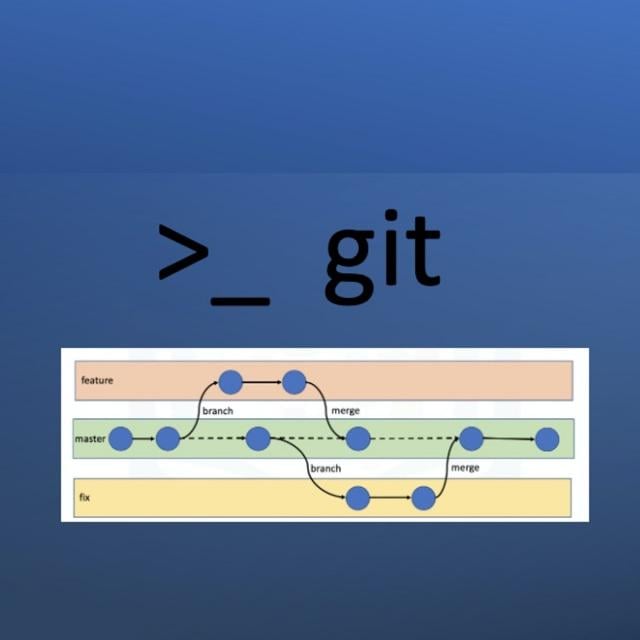
Note: This course requires knowledge of JavaScript and Git.
Course 5 of 12 in the IBM Full Stack Software Developer Professional Certificate.
What You Will Learn
- Create server-side applications using the Node.js JavaScript run time.
- Extend your Node.js applications with third-party packages and frameworks, including Express.
- Use npm to manage Node.js packages in your Node.js application.
- Develop asynchronous callback functions and promises to complete asynchronous operations.
Syllabus
WEEK 1
Introduction to Server-Side JavaScript
You may already be familiar with JavaScript, but did you know there is a server-side JavaScript framework? Discover how Node.js is used on the back end to develop rich, dynamic web applications by importing external modules and using node package manager (NPM). Get hands-on experience using Node.js to build your own simple web server.
WEEK 2
Asynchronous I/O with callback programming
How can you optimize processor time with Node.js? Discover how Node.js operates in a non-blocking manner and how to handle the result from a network call. Explore the advantages and challenges associated with using anonymous callback functions. Use Node.js to parse JavaScript Object Notation (JSON) data from a Hypertext Transfer Protocol (HTTP) message.
WEEK 3
Express Web Application Framework
When you use Node.js to build a hypertext transfer protocol (HTTP) server, you will discover that the default Node.js framework is low-level. You can extend its features with third-party packages such as Express. Get hands-on experience with the Express web application framework by creating a web server that listens to incoming requests. You also learn how to implement authorization with Express. Use routing, middleware, and template rendering to extend the Node.js framework and handle dynamic content.
WEEK 4
Final Project
In this module, you will complete two related projects: a practice project and a final project. The practice project walks you through code that performs CRUD operations for given user details on an Express server using session and JWT authentication and then tests the code using Postman. For the final project, you assume the role of a back-end developer working on a server-side application that stores, retrieves, and manages book ratings and reviews. You will submit screenshots of your application, and then your peers will review the project based on a rubric provided. You will also be expected to review two of your peer’s projects.