Emily Gurley

Dr. Gurley has worked in public health research in Bangladesh since 2003, and she spent 12 years at the icddr,b (International Center for Diarrheal Diseases Research, Bangladesh) where she led the Surveillance and Outbreak Investigation Unit, and served as Director of the Program on Emerging Infections. She worked closely with the US CDC and the Government of Bangladesh to establish national surveillance for meningo-encephalitis, respiratory infections, acute gastroenteritis, acute hepatitis, and hospital acquired infections, with a focus on developing junior scientists. Dr. Gurley leads multi-disciplinary studies on the transmission, burden and epidemiology of a variety of emerging and vaccine preventable diseases, taking into account the ecological context in which human disease occurs. Her interests include improving the communication and collaboration between field epidemiologists and infectious disease modelers and development of novel surveillance and outbreak detection strategies. She has been working to describe the ecology and epidemiology of Nipah virus since 2004, including identifying transmission pathways and drivers of person-to-person transmission, and designing and testing interventions to prevent human infection. She currently serves on WHO's Nipah Virus Taskforce, advising on the research and development of medical countermeasures. Her research adopts a One Health approach to the study and prevention of infectious disease, taking into account the ecological context in which human disease occurs. Emily is the Co-Director for the Child Health and Mortality Prevention Surveillance (CHAMPS) site in Bangladesh, aiming to determine the etiology of and prevent child deaths. She also works closely with the US Centers for Disease Control and Prevention’s Global Disease Detection program.
Filter Courses within "Emily Gurley" (Click to filter)
Surveillance Systems: The Building Blocks (Coursera) Coursera
Johns Hopkins University

Surveillance Systems: The Building Blocks (Coursera)

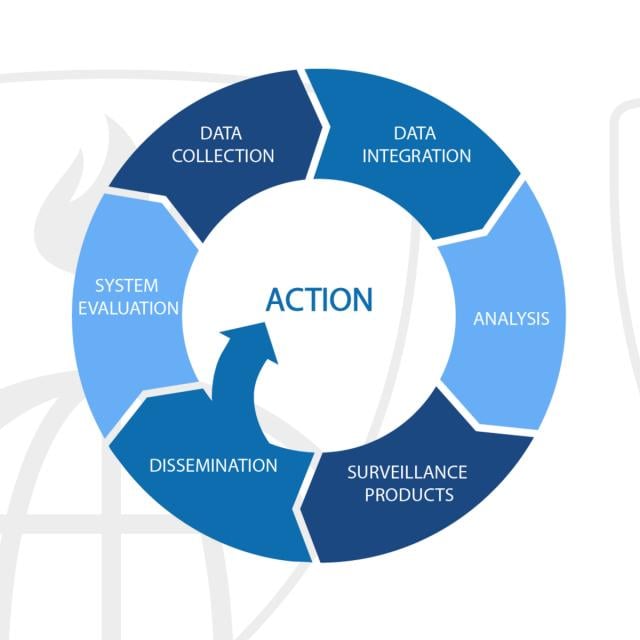
Dive into 'Surveillance Systems: The Building Blocks' - an essential course for those looking to understand and work effectively within the realm of public health surveillance. This course breaks down the critical components of surveillance systems, equipping you with the knowledge needed to manage and improve data reporting and system performance in epidemiology.

Jun 8th 2026
4 Weeks
COVID-19 Contact Tracing (Coursera) Coursera
Johns Hopkins University

COVID-19 Contact Tracing (Coursera)

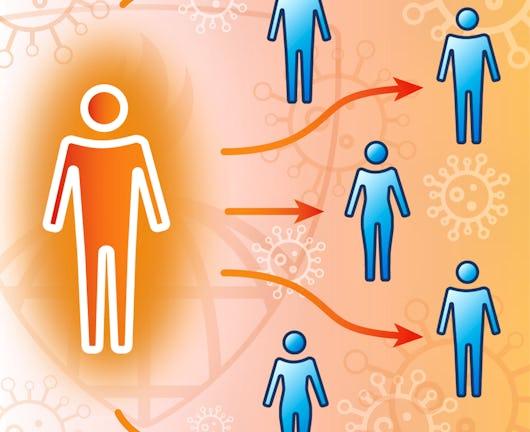
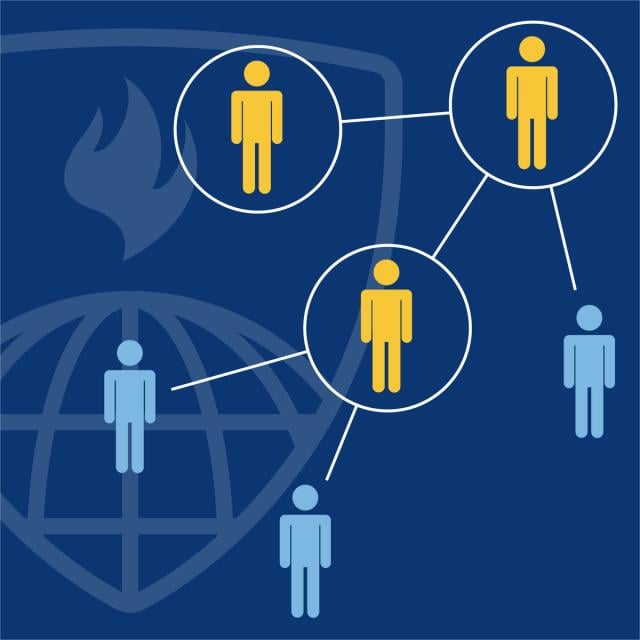
This online course offers comprehensive training on COVID-19 contact tracing, equipping you with the necessary skills and knowledge to assist public health efforts during this pandemic. Whether you're looking to qualify for new contact tracing positions or seeking to contribute positively to your community, this course provides a foundational understanding of key concepts and practical applications.

Jun 8th 2026
1 Week
Infectious Disease Transmission Models for Decision-Makers (Coursera) Coursera
Johns Hopkins University

Infectious Disease Transmission Models for Decision-Makers (Coursera)

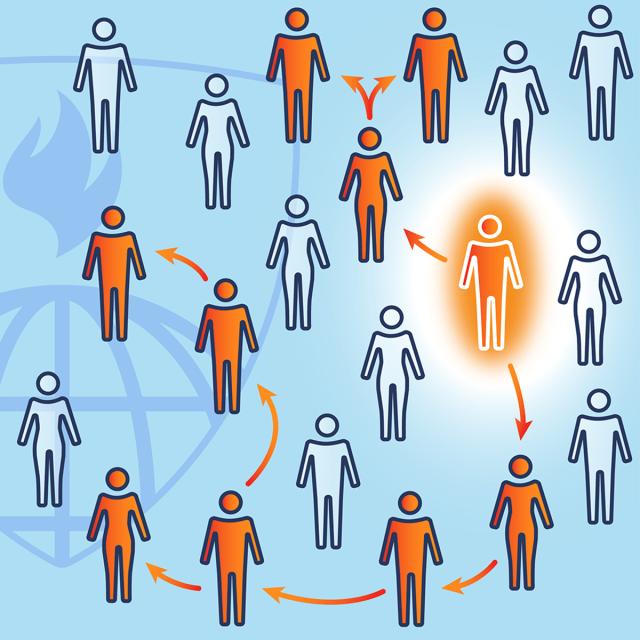
Dive into the world of infectious disease modeling with this course designed for decision-makers. Explore how mathematical models help shape public health policies during outbreaks, focusing on the insights they provide and their practical applications in real-world scenarios such as the management of COVID-19. This course is ideal for those looking to enhance their understanding of epidemiology and its impact on policy-making.

Jun 8th 2026
1 Week
Measuring and Maximizing Impact of COVID-19 Contact Tracing (Coursera) Coursera
Johns Hopkins University

Measuring and Maximizing Impact of COVID-19 Contact Tracing (Coursera)

Dive into the world of contact tracing with our specialized course designed to equip you with the knowledge and tools needed to measure, analyze, and maximize the impact of your COVID-19 contact tracing efforts. This course will teach you how to use ConTESSA, a powerful application for evaluating and strategizing improvements in contact tracing programs.

Jun 1st 2026
1 Week
Page 1